Yandai Xiejie: A Timeless Beijing Lane Blending Tradition and Charm
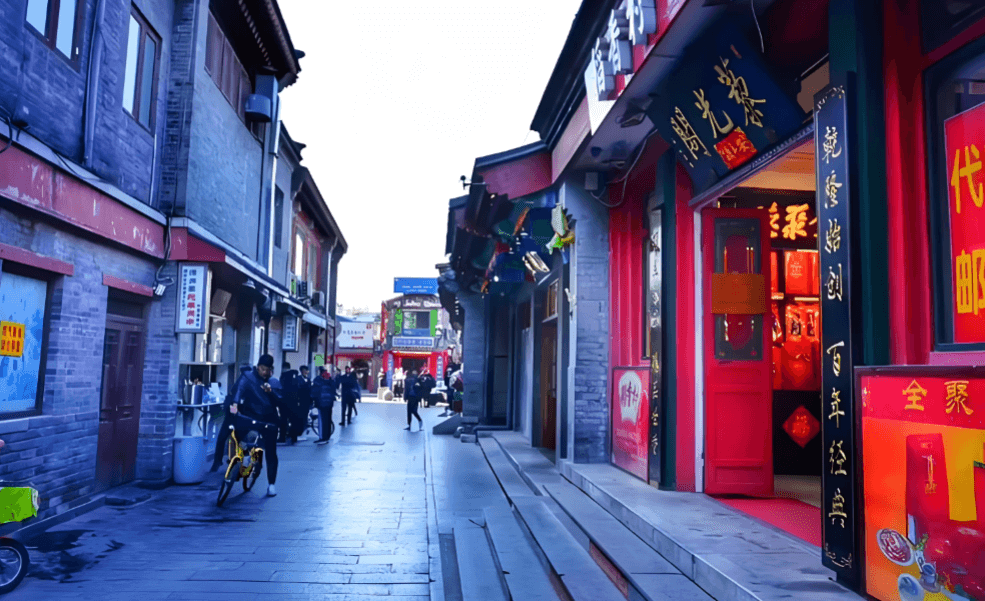
Tucked between the grand Drum Tower and the serene Shichahai Lakes, Yandai Xiejie stands as one of Beijing’s most iconic ancient lanes—a 232-meter stretch that weaves together centuries of history, local customs, and old-world charm. Unlike the bustling commercial streets of modern Beijing, this slanting alley retains its traditional courtyard architecture, vintage storefronts, and a pace of life that harkens back to imperial times. For travelers seeking an authentic taste of Beijing beyond the Forbidden City and Great Wall, Yandai Xiejie is a must-visit spot in any beijing travel guide, offering a rare glimpse into the city’s cultural soul.
The story of Yandai Xiejie dates back to the Yuan Dynasty (1271–1368), when it was known as Dayuting Xiejie, named after a government office that managed local fishing operations near Shichahai. Its current name, which translates to “Tobacco Pouch Lane,” emerged in the late Qing Dynasty (1644–1912) for two charming reasons: first, the lane’s slender shape resembles a tobacco pouch, with its northeast entrance as the pouch’s mouth and the southwest end curving toward Silver Ingot Bridge like a pouch’s bowl; second, it was lined with shops selling tobacco pipes, water pipes, and tobacco leaves, catering to the smoking habits of Manchu nobles and locals alike. Some of these shops even served the imperial family, once cleaning water pipes for Empress Dowager Cixi, adding to the lane’s legendary status.
Walking down Yandai Xiejie is like stepping into a living museum of Beijing’s past. The lane’s slanting layout is a rarity in Yuan Dynasty urban planning, which favored grid-like streets—its unique shape evolved naturally along the Shichahai waterfront, a reminder of its origins as a bustling thoroughfare connecting漕运 (canal transport) docks to downtown markets. Today, traditional gray-tiled roofs, red wooden doors, and carved lintels line both sides, while small flags and lanterns flutter above storefronts, creating a picturesque scene that feels worlds away from Beijing’s skyscraper districts. Unlike more commercialized lanes like Nanluoguxiang, Yandai Xiejie retains a quiet authenticity, with fewer chain stores and more family-run shops preserving age-old crafts.
No visit to Yandai Xiejie is complete without exploring its distinctive shops, which blend tradition with subtle modern twists. A highlight is the Qing Dynasty Post Office, a restored heritage site that once served as part of China’s first national postal system established in 1896. Inside, visitors can admire vintage stamps (including the iconic “Big Dragon” stamps, China’s first postage stamps), write postcards with traditional Chinese calligraphy, and get custom stamps to commemorate their trip—perfect for sending a piece of Beijing’s history to loved ones. Nearby, the Beijing Qianding Old Wine Museum showcases a collection of rare wines from the 20th century, offering a fascinating look at China’s liquor culture, though the exhibits are for display only.
For culture enthusiasts, the lane’s artistic heritage shines through its specialty stores. Once known as “Little Liulichang” (a famous antique district) in the late Qing Dynasty, Yandai Xiejie was a hub for antiques, calligraphy, and traditional Chinese painting, as fallen nobles sold their collections to make ends meet. Today, you can find shops selling handcrafted purple clay teapots, ink wash paintings, and intangible cultural heritage items like Tu’er Ye (the Rabbit God), a traditional folk deity sculpted by hand, each piece unique. Art lovers may also spot modern galleries and tea houses, where locals and travelers gather to enjoy jasmine tea and traditional music, bridging the gap between past and present.
Food plays an integral role in the Yandai Xiejie experience, with small stalls and restaurants serving authentic Beijing flavors. Don’t miss trying zeng gao (glutinous rice cake with red beans), tanghulu (candied hawthorns), or a bowl of creamy Wenyu milk pudding, a local delicacy with a subtle sweetness. For a more substantial meal, head to the end of the lane near Silver Ingot Bridge and visit Kaorou Ji, a century-old restaurant famous for its Mongolian-style grilled lamb, where diners cook their own meat on a hot iron plate—a lively, interactive feast. The restaurant’s second-floor terrace also offers stunning views of Shichahai, making it a perfect spot for dinner with a view.
Yandai Xiejie’s magic lies in its ability to adapt without losing its essence. In winter, the nearby Shichahai Ice Rink opens, turning the area into a festive wonderland where visitors can skate on frozen lakes after exploring the lane. In spring and autumn, the alley is bathed in soft sunlight, casting dappled shadows on its red walls—ideal for photography, especially near the iconic red wall of Guangfu Pavilion. Whether you’re wandering alone, browsing crafts, or savoring local snacks, the lane invites you to slow down and soak in the rhythms of old Beijing.
As a key stop in any beijing travel guide, Yandai Xiejie is more than a tourist attraction—it’s a living testament to Beijing’s ability to honor its past while embracing the present. It’s a place where you can touch the history of imperial China, support local artisans, and taste the flavors that define Beijing’s culinary heritage. For travelers willing to step off the beaten path, this ancient lane offers an unforgettable experience, one that captures the true charm of old Beijing in every corner.