Peking Duck: An Imperial Feast on Your Plate
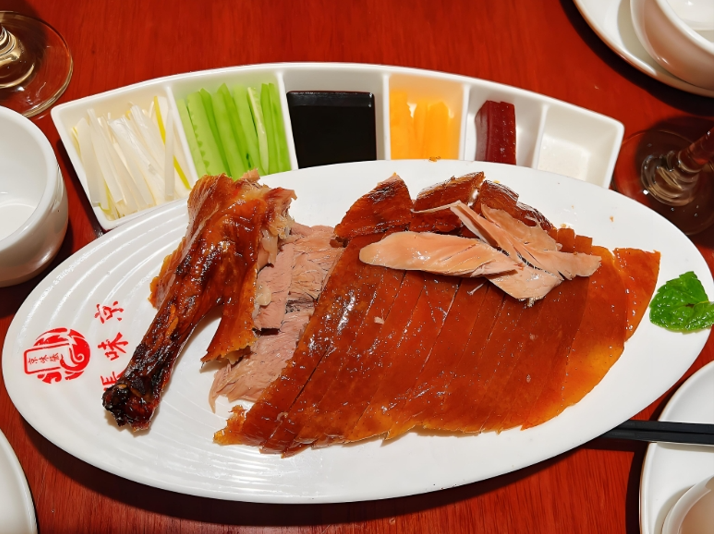
For any traveler setting foot in Beijing, tasting authentic Peking Duck isn’t just a meal; it’s a mandatory cultural initiation, a symphony of flavors and textures that has rightfully earned its title as the “King of Beijing Cuisine.” This isn’t simply roasted duck; it’s a centuries-old culinary masterpiece, perfected through imperial kitchens and now gracing tables worldwide. Imagine the scene: a magnificent duck emerges, its skin glistening like lacquered mahogany, the air thick with the alluring aroma of roasting fruitwood. Skilled chefs perform the precise ritual of carving it tableside – this is the grand overture to the Peking Duck experience.
Why Peking Duck Reigns Supreme: A Multi-Sensory Journey
- The Artistry of Flavor & Texture:
- The Divine Crisp Skin (The Soul): This is the undisputed crown jewel. Achieving the perfect crispness (known as “cuipi”) is an art form. The skin is meticulously prepared and roasted until it achieves a translucent, deep amber hue. The first bite shatters audibly, releasing an intoxicating wave of rich, savory, and slightly sweet flavors. The thin layer of fat underneath melts instantly on the tongue – reminiscent of the finest pork crackling, but more refined and complex. This skin is often enjoyed first, sometimes dipped in white sugar to heighten its caramel notes.
- The Succulent Meat: Beneath the glorious skin lies tender, juicy, and flavorful duck meat. Crucially, it’s never dry. The meat retains its moisture beautifully, providing a succulent counterpoint to the crispy skin. The flavor is deeply savory, with subtle hints of the fruitwood (like peach or pear) used in the roasting process.
- The Interactive Ritual (The Joy of Assembly): Eating Peking Duck is engaging and communal.
- The Warm, Thin Pancake: You receive delicate, steamed wheat-flour pancakes, thinner than a crepe and slightly elastic.
- The Essential Sauces: The star is the rich, savory-sweet Sweet Bean Sauce (often called Sweet Noodle Sauce, Tianmianjiang). Hoisin sauce is a common variant. This deep, complex sauce is the perfect bridge between the rich duck and the fresh accompaniments. Garlic Paste might also be offered for an extra kick.
- The Fresh Crunch: Julienned scallions (spring onions) and sometimes cucumber strips add crucial freshness, texture, and a gentle bite that cuts through the richness.
- The Grand Assembly: Take a pancake. Brush it lightly with the sweet bean sauce and a touch of garlic paste if desired. Place a piece or two of crispy skin and succulent meat onto the pancake. Top generously with fresh scallions and cucumber. Now, carefully roll it into a neat bundle, tucking in one end.
- The Revelatory Bite: Take a substantial bite. Experience the harmonious explosion: the shattering crispness of the skin, the yielding tenderness of the meat, the sweet-savory depth of the sauce, the cool crunch of the vegetables, all wrapped in the soft, warm embrace of the pancake. It’s textural heaven and flavor nirvana in one package.
- A Feast for the Eyes and Nose:
- The Roasting Spectacle: In many traditional restaurants, the ducks are roasted in open-view ovens, often hung over roaring flames fed by fragrant fruitwood. Watching the ducks turn and glisten is mesmerizing.
- The Tableside Carving: The chef’s precise, swift carving is a performance. Each slice is deliberate, showcasing the perfect ratio of crispy skin to juicy meat, arranged meticulously on the plate. It’s culinary theater.
Your Essential Peking Duck Tasting Guide:
- Choosing Your Temple of Duck:
- The Historic Icons:
- Quanjude (全聚德): The undisputed granddaddy, founded in 1864. Synonymous with tradition and the hanging oven (gualu) method. Expect classic perfection and a sense of history (multiple locations, Qianmen flagship is iconic). Prices reflect its status.
- Bianyifang (便宜坊): Even older than Quanjude (founded 1416!), famous for its distinctive menlu (closed oven) roasting method. This results in duck with exceptionally tender meat and subtly different skin characteristics. A must-try for connoisseurs.
- The Modern Masters:
- Da Dong (大董): Revolutionized Peking Duck with a focus on leaner ducks and an incredibly light, crispy, almost papery skin (“Superlean” concept). Elegant ambiance, innovative presentation, and often considered the pinnacle of modern Peking Duck (multiple locations).
- Siji Minfu (四季民福): Hugely popular for its excellent balance of quality, atmosphere (often with great views, like near the Forbidden City), and relatively accessible pricing. Known for very consistent, delicious duck. Be prepared for queues!
- The Local Favorites & Specialists:
- Liqun Roast Duck (利群烤鸭店): A tiny, no-frills hutong gem. Roasts ducks in a traditional courtyard setting. Authentic, rustic charm, loved by locals and adventurous travelers seeking an off-the-beaten-path experience.
- Jing Zun Peking Duck (京尊烤鸭): Gaining a strong reputation for high-quality traditional duck and good service.
- The Historic Icons:
- Maximizing Your Duck Experience:
- Order Wisely: One whole duck typically serves 2-4 people, depending on appetite and other dishes ordered. Consider your group size.
- Timing is Everything: Insist on having the duck carved immediately after it arrives at your table. The skin is at its absolute crispiest peak within minutes of leaving the oven. Don’t let it sit!
- Embrace the Classic Combo: While you might be tempted to skip the scallions or sauce, resist! The classic combination of duck, sauce, scallions (and cucumber), wrapped in a pancake is the time-tested, harmonious way to experience it fully. The scallion’s sharpness is essential for cutting the richness.
- Explore the Whole Duck: Your duck adventure doesn’t end with the pancakes!
- Duck Bone Options: Most restaurants offer to prepare the leftover carcass for you. Choose between:
- Duck Bone Soup (Yagutang): A flavorful, often milky-white broth, simple and comforting.
- Salt & Pepper Duck Bones (Jiaoyan Yagu): Deep-fried until crispy and tossed with salt, pepper, and spices. Incredibly moreish, perfect with beer.
- Duck Bone Options: Most restaurants offer to prepare the leftover carcass for you. Choose between:
- Complementary Dishes: Start with lighter appetizers like kaofu (wheat gluten) or cucumber salad. Pair the rich duck with simple stir-fried vegetables or tofu dishes.
Beyond the Plate: A Taste of History
Peking Duck’s origins trace back to the Imperial kitchens of the Ming Dynasty (1368-1644), evolving into its current form during the Qing Dynasty (1644-1912). Originally known as “Shāo Yāzi” (烧鸭子) or “Jīngshī Kǎoyā” (京师烤鸭 – Capital Roast Duck), it was a dish reserved for emperors and the elite. Its meticulous preparation and sublime flavors embodied the pinnacle of Chinese culinary art. Today, enjoying Peking Duck is not just about sustenance; it’s about connecting with centuries of culinary heritage and experiencing a dish that is intrinsically linked to the identity of Beijing itself.
The Verdict: An Unforgettable Culinary Landmark
Peking Duck is far more than just food. It’s a multi-sensory spectacle, an interactive ritual, and a delicious immersion into Beijing’s rich history. The interplay of the crackling-crisp skin, the succulent meat, the sweet-savory sauce, the fresh bite of scallions, and the soft pancake creates a flavor and textural harmony that is simply unmatched. From the theatrical roasting and carving to the satisfying act of rolling your own pancake, every step is part of the adventure. When you visit Beijing, make a pilgrimage to one of its legendary duck establishments. Order the duck, savor the ritual, and indulge in a truly imperial feast. It’s not just a meal; it’s a cornerstone memory of your Beijing journey.