Beijing Cuisine: The Art of Mongolian Hot Pot, a Culinary Treasure
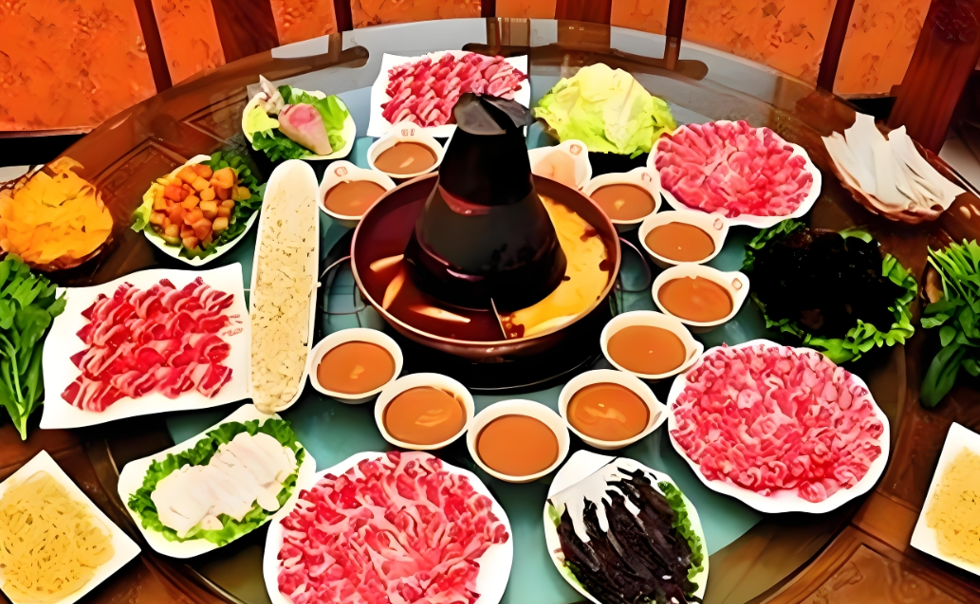
Forget everything you think you know about hot pot. In Beijing, Mongolian Hot Pot (Shuàn Yángròu – 涮羊肉), transcends mere cooking; it’s a cherished ritual, a communal experience steeped in history, and a celebration of pure, unadulterated flavor. More than just a meal, it’s an essential thread in the fabric of Beijing’s culinary identity, a warm embrace against the city’s chilly winters for centuries.
A Legacy Simmering for Centuries: From Battlefield to Banquet
The story whispers back to the Yuan Dynasty (13th-14th century), under the reign of Kublai Khan. Legend tells of the mighty Khan, mid-campaign, suddenly craving stewed lamb. Spotting advancing enemy troops, a quick-thinking chef sliced the lamb paper-thin and plunged it into boiling broth for mere seconds. Khan devoured the tender meat swiftly, led his troops to victory, and declared this ingenious cooking method – “Shuan Yang Rou” (literally “instant-boiled mutton”) – a triumph. While historical accuracy might be debated, this tale perfectly captures the essence: speed, practicality, and the magic of thinly sliced meat meeting intense heat.
The dish truly flourished during the Qing Dynasty (17th-20th century), especially beloved by the Manchu rulers. Imperial kitchens refined it, and it gradually spread from palaces to the bustling hutongs (alleys) of Beijing. By the late 19th and early 20th centuries, dedicated Mongolian Hot Pot restaurants emerged, transforming it into the social and culinary institution it is today. Establishments like the famed Donglaishun (东来顺), founded in 1903, became synonymous with the authentic experience, setting standards for quality and tradition that endure.
The Heart of the Ritual: Simplicity Perfected
What sets Beijing Mongolian Hot Pot apart is its elegant simplicity and unwavering focus on pristine ingredients:
- The Vessel & Fire: The Copper Kettle (Tong Guo – 铜锅): This is the soul of the experience. Crafted from gleaming copper, often with intricate designs and a tall, chimney-like central vent, the pot sits over glowing charcoal embers within its base. Copper ensures rapid, even heating, while the charcoal imparts a subtle, unique smokiness utterly irreplaceable by modern electric or gas burners. The central chimney funnels heat upwards, creating a vigorous boil around its base – the perfect zone for quick cooking. The kettle itself, frequently polished to a shine, is a beautiful centerpiece.
- The Elixir: Crystal Clear Broth (Qingtang – 清汤): Authentic Beijing broth is a study in minimalism. It starts with pure water, perhaps enhanced with a few slices of ginger, chunks of scallion (spring onion), and maybe 2-3 dried jujubes (Chinese red dates) or goji berries (枸杞子) for the faintest whisper of sweetness. Crucially, no oil, no spices, no overpowering flavors. This pristine canvas allows the true, unadulterated taste of the lamb to shine brilliantly. Sometimes, a small piece of sea cucumber or dried seafood is added not for strong flavor, but believed to enhance the broth’s umami depth subtly. The broth simmers gently, its clarity a testament to its purity.
- The Star: Exquisite Lamb (Xian Yang Rou – 鲜羊肉): Quality is paramount. Traditionally, meat from inner Mongolian grassland sheep is preferred for its tenderness and delicate, sweet flavor. The cut is crucial – typically the hind leg (Hou Tui – 后腿) or the tender meat along the spine (Shang Nao – 上脑). The pinnacle of the art is Hand-Sliced Fresh Lamb (Shou Qie Xian Yangrou – 手切鲜羊肉). Skilled chefs, using exceptionally sharp knives, cut partially frozen meat against the grain into slices so thin they are almost translucent, delicate yet retaining structure. These slices, often artfully arranged on plates, might have a slight, attractive curl. Supermarkets offer pre-sliced frozen options, but hand-cut is the gold standard for texture and flavor release.
- The Perfect Partners: Classic Accompaniments:
- Sesame Sauce (Ma Jiang – 麻酱): The undisputed king of dips. Creamy, nutty, and rich, made from ground toasted sesame seeds, thinned slightly with water or broth, and seasoned with fermented bean curd (Fu Ru – 腐乳, often the red variety for color and depth), chive blossom sauce (Jiu Hua – 韭花) for a savory, slightly funky kick, and sometimes a touch of soy sauce or rice vinegar. It’s complex, addictive, and the lamb’s perfect complement. (Vegetarian versions exist).
- Napa Cabbage (Da Bai Cai – 大白菜): Adds sweetness and absorbs flavors beautifully.
- Tofu (Dou Fu – 豆腐): Fresh or fried, provides a soft, protein-rich counterpoint.
- Vermicelli Noodles (Fen Si – 粉丝): Glass noodles that become wonderfully slippery and broth-infused.
- Leafy Greens (Qing Cai – 青菜): Like spinach or tong ho (crown daisy), for freshness.
- Mushrooms (Mo Gu – 蘑菇): Shiitake or enoki add earthy notes.
- Cilantro (Xiang Cai – 香菜) & Scallions (Cong – 葱): For fresh garnish.
The Art of the Shuan: How to Experience It Like a Local
The ritual is key to enjoyment:
- Broth Simmers: The clear broth comes to a gentle boil in the charcoal-heated copper pot.
- Dip & Swish: Using chopsticks (or a small wire mesh ladle for noodles/veg), take a slice or two of lamb. Submerge it fully into the vigorously boiling broth around the central chimney. Gently swish it back and forth for just 10-20 seconds, until the pink color disappears instantly. Overcooking is sacrilege – it ruins the tenderness!
- Sauce & Savor: Dip the cooked meat generously into your personalized bowl of rich sesame sauce.
- Enjoy: Eat immediately, savoring the tender texture and pure, sweet lamb flavor enhanced by the nutty sauce.
- Cook Vegetables & Noodles: Once most of the meat is cooked, add vegetables, tofu, and finally noodles to the broth, which has now absorbed delicious lamb essence.
- Drink the Broth: At the very end, ladle some of the now deeply flavorful broth (the “yuan tang” – 原汤) into your bowl. It’s the soul-warming finale.
Finding Authentic Bliss: Beijing’s Hot Pot Havens
While countless restaurants offer hot pot, seek these for a truly traditional Mongolian Hot Pot experience:
- Donglaishun (东来顺): The undisputed grandmaster, with over a century of history. Multiple locations (Wangfujing, Qianmen are famous). Expect impeccable hand-sliced lamb, classic broth, and the full ritual. Prices reflect its status.
- Nanshi Shuanrou (南门涮肉): Hugely popular for its excellent quality-to-price ratio, traditional copper pots, and consistently delicious food. Multiple branches (often near Nanluoguxiang, Houhai). Expect queues!
- Jubaoyuan (聚宝源): A local institution near Niujie Mosque, famed for incredibly fresh lamb, often with lines stretching down the street. Robust flavors and a bustling atmosphere.
- Kaorou Ji (烤肉季): While famous for its kaorou (grilled meat), its Houhai location also offers a very respectable traditional Mongolian Hot Pot experience with a scenic view.
- Haige Youfang (海格友坊): A newer player gaining serious acclaim for top-tier hand-sliced lamb and a commitment to traditional preparation.
Beyond the Basics: Tips for the Discerning Diner
- Sauce Crafting: Don’t be shy at the sauce station! Start with sesame paste and experiment with additions: a cube of red fermented bean curd, a spoon of chive blossom sauce, chopped cilantro, scallions, chili oil (if you like heat), a dash of soy sauce or vinegar. Find your perfect blend.
- Lamb First: Always cook the delicate lamb before adding vegetables or noodles. Cooking veggies first muddies the pristine broth.
- Control the Fire: Ask staff to adjust the charcoal if the boil is too fierce (can make meat tough) or too weak.
- Cultural Note: This is communal dining. Dishes are shared, cooking is done together. It’s social, relaxed, and often lively.
- Vegetarian/Vegan: While lamb is the star, many restaurants offer extensive vegetable, tofu, and mushroom selections. Check if they have dedicated vegetarian broth and sesame sauce (without shrimp paste or other animal products, which can sometimes be present). “清水锅” (Qingshui Guo – plain water broth) is the most basic option.
More Than a Meal: A Taste of Beijing’s Soul
Beijing Mongolian Hot Pot is not just sustenance; it’s an immersion into history and culture. Sitting around the gently hissing copper pot, the aroma of clean broth and sizzling lamb mingling in the air, swishing gossamer-thin meat in bubbling liquid, and crafting the perfect bite enveloped in rich sesame sauce – it’s a multi-sensory experience. It embodies Beijing’s culinary spirit: honoring tradition, valuing quality ingredients, mastering technique, and above all, sharing warmth and connection around the table. On your next trip to Beijing, make a pilgrimage to one of its iconic hot pot temples. Slice, swish, dip, savor, and sip. You won’t just be eating a meal; you’ll be participating in a centuries-old ritual, tasting the very essence of Beijing hospitality. It’s the perfect culinary antidote to a day of exploring the Forbidden City or walking the Great Wall – a deeply satisfying, soul-warming embrace from old Beijing.