The Sweet Sensation of Beijing: Unwrapping the Magic of Lǘdàgǔn (Rolling Donkey)
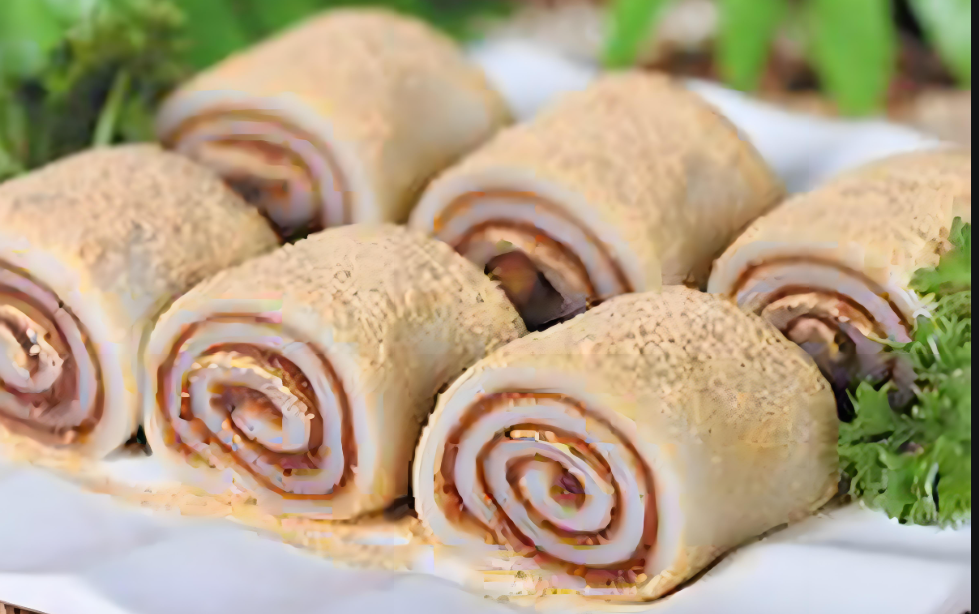
Forget what the name suggests! Strolling through the vibrant hutongs of Beijing, a captivating aroma often wafts through the air – sweet, nutty, and utterly inviting. Following your nose, you might find a street vendor deftly handling a remarkable treat: layers of golden-yellow dough generously coated in a fine, fragrant brown powder, rolled up, and sliced into plump, bite-sized pieces. This, dear traveler, is Lǘdàgǔn (驴打滚), one of Beijing’s most iconic and beloved traditional snacks. Its name translates whimsically to “Donkey Rolling on the Ground,” but rest assured, no donkeys are involved in its making! The name is purely a playful nod to its appearance and the motion used to coat it.
Why “Rolling Donkey”? A Tale of Dust and Delight (Rolling Donkey Tale of Food)
The most charming rolling donkey tale of food offers two explanations for its quirky name. Picture a donkey, perhaps after a hard day’s work or simply enjoying a dust bath, rolling vigorously on a dry, dusty path. Now, imagine the final stage of making this treat: the soft, sticky rice cake roll is liberally coated in toasted soybean flour. As the vendor tosses and rolls the log in this fine, earthy-colored powder, it becomes thoroughly covered, much like the dusty donkey. The visual similarity – the roll becoming coated in “dust” – is uncanny and delightful. This rolling donkey gulu (the rolling motion itself, ‘gulu’ suggesting a tumble) is central to its creation.
What Exactly is This “Rolling Donkey” Treat? (Rolling Donkey Snack)
At its heart, Lǘdàgǔn is a rolling donkey snack that masterfully combines simple ingredients into pure textural and flavorful bliss. It’s a type of rolling donkey sweet known as dòunǐ juǎn (豆泥卷), meaning “bean paste roll.”
- The Core: A soft, slightly chewy outer layer made from glutinous rice flour dough. This is steamed until pliable and elastic.
- The Sweet Heart: Spread lovingly over the steamed dough is a layer of smooth, sweetened red bean paste (adzuki beans). This provides the primary sweetness and rich, earthy depth.
- The Iconic “Dust”: The entire assembled roll is then coated generously in toasted soybean flour (huángdòumiàn). This flour is nutty, slightly sweet, and has a unique, almost malty aroma. Its light brown color is key to the “dusty donkey” image. Sometimes, a sprinkle of white sugar or sesame seeds adds an extra touch.
A Symphony of Texture and Taste (Rolling Donkey Tongue)
Biting into a fresh piece of Lǘdàgǔn is an experience. Your teeth sink first into the fragrant, slightly granular soybean coating. Then comes the delightful resistance of the soft, yielding, and pleasantly sticky glutinous rice layer. Finally, you reach the sweet, velvety heart of red bean paste. It’s chewy, sweet, nutty, and earthy all at once – a truly harmonious blend. When sliced, the cross-section reveals the layers beautifully, resembling a little rolling donkey tongue – plump, coated, and ready to deliver deliciousness!
Finding Your Perfect Roll: From Street Stalls to Teahouses
Historically, Lǘdàgǔn was a common sight carried by street vendors in distinctive woven containers – perhaps the original rolling donkey bowling bag! Today, you can find it everywhere:
- Traditional Snack Shops (Lǎozìhào): Places like Daoxiangcun (稻香村) or Hong Luo Shi (红螺食品) offer beautifully packaged versions, perfect for souvenirs.
- Hutong Street Vendors: For the freshest, most authentic experience, seek out vendors in historic alleyways like Nanluoguxiang or around Houhai. Watch the rolling donkey gulu action live!
- Dim Sum Restaurants & Teahouses: Often served alongside other Beijing sweets and teas.
- Wangfujing Snack Street: A bustling hub for all kinds of traditional treats, including Lǘdàgǔn.
Try Making the Magic Yourself (Rolling Donkey Recipe)
Feeling adventurous? While making perfect Lǘdàgǔn takes practice, a basic rolling donkey recipe is approachable. Here’s the essence:
- Make the Dough: Mix glutinous rice flour with water to form a batter. Steam until set into a soft, translucent sheet.
- Prepare the Paste: Cook adzuki beans with sugar until soft, then mash or blend into a smooth paste.
- Toast the Flour: Dry-fry soybean flour in a pan until fragrant and light brown. Let cool.
- Assemble: Lay the steamed rice sheet on a surface dusted with toasted soybean flour. Spread a thin layer of red bean paste evenly over it.
- Roll it Up! (Rolling Donkey Gulu): Carefully roll the sheet up tightly, jelly-roll style. This is the crucial rolling donkey gulu moment!
- Coat Generously: Roll the entire log in more toasted soybean flour until completely covered – the rolling donkey bowling bag step reimagined!
- Slice and Serve: Cut into bite-sized pieces. Enjoy immediately for the best texture.
More Than Just a Snack: A Cultural Icon
Lǘdàgǔn isn’t just food; it’s a piece of Beijing’s soul. It embodies the city’s love for hearty, satisfying snacks with humble origins and playful character. Its distinctive appearance and charming name make it instantly recognizable. For centuries, it has been enjoyed during festivals (like Lunar New Year), as an everyday treat, or as a special gift. It represents tradition, craftsmanship, and the simple joy found in a perfectly balanced bite.
A Note on the Name: Playfulness, Not Reality
Remember, the “donkey” is purely in the name and the playful imagery of the rolling donkey on the ground covered in dust. There is absolutely no donkey meat, tongue, or any animal product besides potential butter/milk in some modern recipes. It’s a 100% plant-based, vegetarian-friendly delight! Calling it a rolling donkey toy might capture its whimsical nature, but it’s definitely meant for eating, not playing!
In Conclusion: Your Must-Try Beijing Experience
So, when you explore the wonders of Beijing – from the majestic Forbidden City to the bustling Great Wall – make sure to seek out this humble yet extraordinary treat. Look for the vendor performing the rolling donkey gulu, coating that sweet log in fragrant soybean “dust.” Let the name – a charming rolling donkey tale of food – make you smile. Then, take a bite. Experience the delightful chew, the sweet bean heart, and the unique nutty aroma. In that moment, you’re not just tasting a rolling donkey sweet or rolling donkey snack; you’re savoring a genuine piece of Beijing’s history, culture, and culinary heart. Don’t leave without trying this iconic rolling donkey tongue of pure delight!