Fragrant Hills Park Travel Guide: Explore Beijing’s Royal Mountain Retreat
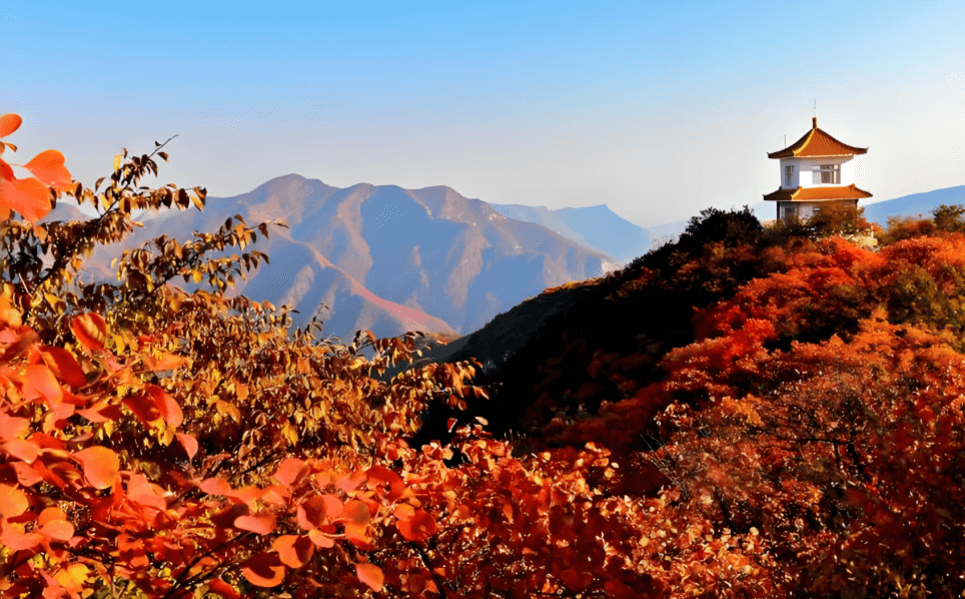
As a must-visit spot in your beijing travel guide, Fragrant Hills Park (Xiangshan Park) is more than just a scenic mountain park—it’s a window into Beijing’s imperial history, natural beauty, and cultural heritage. Nestled in the western suburbs of Beijing, this 188-hectare imperial garden boasts nearly 900 years of history, lush forests, ancient temples, and breathtaking views that attract visitors from all over the world. Whether you’re a nature lover, history enthusiast, or casual traveler, this guide will help you make the most of your trip to one of Beijing’s most beloved attractions.
About Fragrant Hills Park
First built in the 26th year of the Dading period of the Jin Dynasty (1186 AD), Fragrant Hills Park was once a royal retreat for emperors of the Yuan, Ming, and Qing dynasties, who came here to hunt, escape the summer heat, and meditate. It is part of Beijing’s famous “Three Mountains and Five Gardens” (a collection of imperial gardens in the western suburbs) and was officially opened to the public in 1956. With a forest coverage rate of 96%, it is also one of the areas with the highest negative oxygen ion concentration in Beijing, making it a perfect escape from the city’s hustle and bustle.
The park gets its name from two legends: one says the main peak resembles an incense burner (hence its nickname “Incense Burner Peak”), and the other claims the park was once filled with apricot trees whose fragrance filled the air. Today, it is a national AAAA-level scenic spot, renowned for its autumn red leaves, ancient architecture, and panoramic views of Beijing’s western hills.
Top Attractions to Visit
No beijing travel guide is complete without exploring these iconic spots in Fragrant Hills Park—each offers a unique blend of history and natural beauty:
1. Incense Burner Peak (Xianglu Peak)
As the highest peak in the park, standing at 575 meters above sea level, Incense Burner Peak (also known as “Ghost’s Fear” for its steep terrain) is a must-visit for panoramic views of Beijing. You can reach the top via three routes: a gentle middle path (East Gate → Zhisong Garden → Yuhua Hall → Xiangwu Hall → Peak), a steep north path (North Gate → Glasses Lake → Ge Yun Bell → Peak), or a cable car from the North Gate for a relaxing ride with stunning views. On a clear day, you can even see the Great Wall in the distance!
2. Bi Yun Temple (Azure Cloud Temple)
Located in the northern part of the park, Bi Yun Temple is a historic Buddhist temple built in the Yuan Dynasty (1331 AD) and expanded in the Ming and Qing dynasties. It features six main halls arranged along a central axis, with courtyards on both sides, and is home to the only remaining wooden gilded “Five Hundred Arhats” in China, as well as the former resting place of Dr. Sun Yat-sen’s remains in 1925. The temple’s serene atmosphere and intricate architecture make it a peaceful escape from the crowds.
3. Fragrant Hills Temple
Founded in the Tang Dynasty and rebuilt by Emperor Qianlong in the Qing Dynasty, Fragrant Hills Temple was once the most famous temple in western Beijing. Though partially destroyed by foreign invaders in the 19th century, it has been restored to its former glory, with five layers of buildings cascading up the hillside, including the Yueming Kongming Hall and Qingxia Jiyi Tower. Don’t miss the two ancient pine trees at the entrance, named “Listening to Dharma Pines” by Emperor Qianlong.
4. Shuangqing Villa
Situated in the southeastern part of the park, Shuangqing Villa is a quaint courtyard with Jiangnan-style architecture, named after two clear springs that flow through it. In 1949, Mao Zedong worked here and wrote many important documents, making it a significant historical site with both natural beauty and cultural significance.
5. Red Leaf Zone
Fragrant Hills is famous worldwide for its autumn red leaves—each year, from mid-October to early November, the park’s 140,000 red leaf trees (mainly smoke trees) turn fiery red, creating a stunning landscape that draws millions of visitors. The 2,000-meter “Maple Avenue” is the best spot to enjoy the red leaves, with golden sunlight filtering through the crimson foliage. Even in other seasons, the forest is lush and green, offering a refreshing retreat.
Practical Information (Essential for Your Beijing Travel Guide)
Opening Hours
- Peak Season (April 1 – November 15): 6:00 – 19:30 (last entry at 18:30)
- Off Season (November 16 – March 31):6:00 – 19:00 (last entry at 18:00)
Ticket Prices
- Park Ticket (Peak Season): 10 RMB (adult), 5 RMB (discount for students/seniors)
- Park Ticket (Off Season): 5 RMB (adult), 2.5 RMB (discount for students/seniors)
- Bi Yun Temple Ticket: 10 RMB (adult), 5 RMB (discount)
- Combined Ticket (Park + Bi Yun Temple, Peak Season): 15 RMB (adult), 7 RMB (discount)
- Free Entry: Children under 1.2 meters, disabled visitors
Foreign visitors can book tickets online via the “Fragrant Hills Park” WeChat mini-program using their passport or permanent residence permit, or buy them on-site at any gate with minimal queues.
How to Get There
Fragrant Hills Park is easy to reach from downtown Beijing—here are the most convenient ways, perfect for your beijing travel guide:
- Subway: Take Line 10 to Bagou Station (Exit B), then transfer to Bus 563 or 331 to Fragrant Hills Park Station. Alternatively, take the Xijiao Line directly to Xiangshan Station (a 10-minute walk to the East Gate).
- Bus: Buses 318, 360, 360 Express, 505, 563, 698, and 932 all stop at Fragrant Hills Park Station.
- Taxi/Didi: A direct taxi ride from downtown Beijing (e.g., Tiananmen Square) takes about 40-60 minutes, depending on traffic.
Travel Tips
- Best Time to Visit: April-October for lush greenery and pleasant weather; mid-October to early November for the famous red leaves; winter (December-February) for the “Clear Snow on Western Hills” scene, one of Beijing’s eight scenic spots.
- Duration: Plan to spend 3-4 hours in the park to explore the main attractions comfortably; if you want to hike to Incense Burner Peak and visit all temples, allow 5-6 hours.
- What to Bring: Comfortable walking shoes (many paths are steep), sunscreen, a hat, and water. In autumn, bring a light jacket as temperatures drop in the evening. In winter, dress warmly for the cold weather.
- Food & Drinks: There are small restaurants and snack stalls in the park serving Chinese snacks and drinks. You can also bring your own snacks and water for a picnic in the scenic areas.
- Accessibility: Some paths are steep, but the cable car and gentle routes make the park accessible for most visitors. Wheelchairs are available for rent at the East Gate.
- Cultural Notes: Please be respectful of the park’s cultural relics—do not touch or climb on ancient buildings or statues. Smoking is prohibited in the park to protect the forest.
Why Visit Fragrant Hills Park?
Fragrant Hills Park is a hidden gem in Beijing that combines natural beauty with imperial history. It’s a place where you can hike through lush forests, admire ancient temples, and take in panoramic views of the city—all within a short distance from downtown. Whether you’re traveling alone, with friends, or with family, it’s an unmissable stop in your beijing travel guide.
Escape the city’s chaos, immerse yourself in Chinese history and nature, and create unforgettable memories at Fragrant Hills Park—Beijing’s royal mountain retreat.