Beijing Hutongs: Journey into the Beating Heart of Old Peking
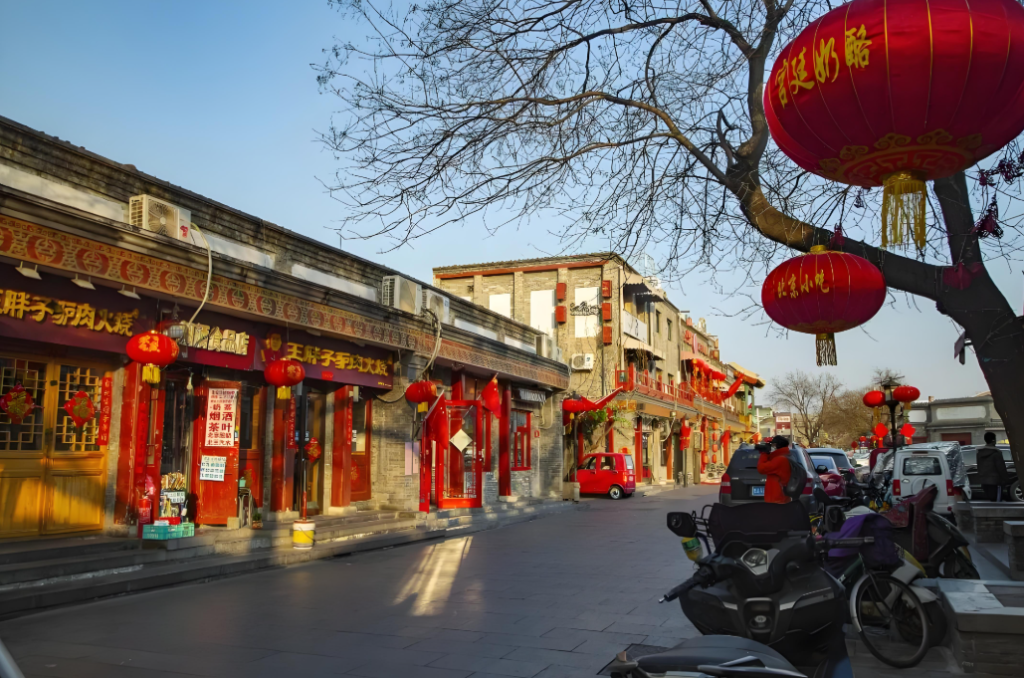
Forget the skyscrapers and wide boulevards for a moment. To truly understand Beijing, to feel its soul and trace its centuries-old pulse, you must venture into its labyrinthine heart: the Hutongs (胡同 – Hútòng). These narrow alleyways, formed by lines of traditional courtyard houses (siheyuan), are living museums, vibrant communities, and the very essence of old Beijing. A Hutong exploration isn’t just sightseeing; it’s a journey through time, culture, and the everyday rhythm of the capital.
Why Explore the Hutongs?
- Escape the Modern Frenzy: Step away from the traffic and crowds into a quieter, more intimate scale of life.
- Witness Living History: See architecture dating back to the Yuan, Ming, and Qing dynasties, still inhabited and evolving.
- Experience Authentic Beijing Life: Observe residents cycling, chatting on stools, playing chess, buying groceries from tiny shops – scenes unchanged for decades.
- Discover Hidden Gems: Find quirky cafes, artisan workshops, independent galleries, family-run eateries, and tranquil temples tucked away behind unassuming doors.
- Feel the Community Spirit: Sense the close-knit neighbourhood atmosphere often missing in modern cities.
A Brief History: From Mongol Grids to Modern Challenges
The word “Hutong” originates from the Mongolian word “hottog,” meaning “water well.” Their layout began taking shape during the Yuan Dynasty (1271-1368), organized in a grid-like pattern around water sources. They flourished during the Ming (1368-1644) and Qing (1644-1912) dynasties, becoming the primary residential pattern for everyone from nobility to commoners. The iconic grey-brick walls, grey-tiled roofs, and intricate entrance gates (menlou) of the siheyuan define their character. While vast areas were demolished for modernization in the 20th century, significant clusters remain protected, offering invaluable glimpses into the past. Today, they face the delicate balance of preservation, modernization, and tourism.
Top Hutong Areas to Explore:
- Nanluoguxiang (南锣鼓巷) & Surrounding Hutongs:
- The Famous One: The most well-known, often criticized for being overly touristy and commercialized, especially the main alley. BUT… venture just one alley east or west (like Mao’er Hutong or Ju’er Hutong) and find a completely different, quieter, authentic world.
- Pros: Easy access, iconic archway entrance, vibrant atmosphere (especially evenings), countless shops, cafes, bars, street food. Good “gateway” Hutong.
- Cons: Can be extremely crowded, prices higher, less authentic feel on main strip.
- Tip: Use it as a starting point, but quickly explore the perpendicular hutongs for the real charm. Visit early morning for fewer crowds.
- Wudaoying Hutong (五道营胡同):
- The Hip & Trendy: Often called the “new Nanluoguxiang” but generally retains a more relaxed, bohemian vibe. Less crowded (though growing), more independent boutiques, design shops, unique cafes with terraces, and international eateries blend seamlessly with local life.
- Pros: Stylish atmosphere, great for cafes and unique shopping, relatively calm, photogenic, good mix of old and new. Close to Yonghegong Lama Temple.
- Cons: Becoming more popular, some gentrification evident.
- Lishi Hutong (史家胡同) & Dongsi Area:
- The Historical & Cultural: Located near the Dongsi subway station, this area boasts some of the best-preserved and historically significant hutongs. Lishi Hutong itself is known for its grand former residences of scholars and officials (some now museums or cultural centers).
- Pros: Authentic atmosphere, significant historical interest, well-preserved architecture, fewer tourists focused solely on shopping/drinking. Visit the Lishi Hutong Museum for deep context. Explore nearby Dongsi Santiao to Dongsi Liutiao hutongs.
- Cons: Fewer trendy cafes/bars, more focused on residential life and history.
- Bada Hutongs (八大胡同) near Qianmen:
- The Former Entertainment District: South of Tiananmen Square, near Dashilan. Historically famous (or infamous) as the entertainment district during the late Qing and Republic era, housing theaters and… other establishments. Less gentrified, more raw and gritty.
- Pros: Strong sense of history (albeit complex), authentic working-class atmosphere, proximity to Dashilan commercial street. Offers a different perspective.
- Cons: Can feel run-down in parts, less “pretty,” fewer obvious tourist amenities. Best explored with context or a guide.
- Around the Bell & Drum Towers (Gulou / Zhonglou):
- The Lively Local Hub: The area radiating out from the iconic Bell Tower (Zhonglou) and Drum Tower (Gulou) is a hive of local activity. Hutongs here are deeply residential but buzzing with life: morning exercises, street markets (like the morning market in Zaolin Hutong), local eateries, and traditional shops.
- Pros: Incredibly authentic, vibrant local life, fantastic people-watching, hidden culinary gems, stunning views from the towers over the hutong rooftops.
- Cons: Less focus on boutique shops/cafes (though some exist), can feel overwhelming due to density.
Essential Hutong Experiences:
- Walk (or Cycle) Aimlessly: The best way! Put away the map, turn down a narrow lane, see where it leads. Observe details: door knockers, brickwork, potted plants, cats sunning themselves.
- Visit a Siheyuan: Some are open to the public as museums (like the Prince Gong’s Mansion near Shichahai, though large, it shows the grandest scale), cafes (e.g., Capital Mansion in Dongsi area), B&Bs, or cultural centers. Peek through open gates to see courtyard life.
- Savor Local Bites: Skip the international cafes occasionally! Try:
- Breakfast: Jianbing (savory crepe), douzhi (fermented mung bean juice – adventurous!), baozi (steamed buns) from hole-in-the-wall shops.
- Snacks: Lvdagunr (sweet glutinous rice rolls), sugar-coated hawthorn berries (bingtanghulu), roujiamo (Chinese “burger”).
- Dinner: Simple noodle shops, dumpling (jiaozi) houses, or local kaoyu (grilled fish) spots frequented by residents.
- Find Hidden Courtyard Cafes: Reward your exploration. Many charming cafes are nestled inside renovated courtyards – perfect for a coffee break with atmosphere.
- Engage (Respectfully): Smile, nod, say “Ni Hao.” Ask permission before taking close-up photos of people. Observe local customs. If invited for tea by a chatty local (less common now, but possible), embrace the moment!
- Take a Rickshaw Tour (Choose Wisely): Can be a good overview if you find an ethical operator who doesn’t just rush you down Nanluoguxiang and pressures you into overpriced “shopping stops.” Negotiate clearly upfront, specify areas you want to see, and prefer pedicabs near quieter hutongs. Walking is often better.
- Consider a Guided Walking Tour: Excellent for deeper historical and cultural context, accessing places you might miss, and understanding the social fabric. Look for small-group tours focusing on specific themes (history, food, architecture).
Practical Tips for Hutong Exploration:
- Footwear is Key: Wear very comfortable walking shoes. Surfaces can be uneven, and you’ll walk a lot.
- Respect Privacy: Hutongs are homes. Don’t enter courtyards uninvited, peer intrusively through windows, or be loud, especially early morning/late evening. Keep voices down.
- Navigation: Offline maps (Google Maps often works, Baidu Maps is better) are essential. Hutong layouts are complex. Look for landmarks. Don’t panic if you get lost – it’s part of the adventure, and main roads are usually not far.
- Facilities: Public toilets are available but can be basic (squat toilets common, bring tissues/hand sanitizer). Few trash cans – carry your trash out.
- Timing: Mornings (7-10 am) are magical: residents exercising, buying breakfast, air fresh. Late afternoons/early evenings are also lovely for light and atmosphere. Avoid the midday summer heat.
- Pace Yourself: Don’t try to cram too many areas in one day. Pick one or two clusters and wander deeply.
- Cash: While digital payments (WeChat Pay/Alipay) are ubiquitous, small vendors or older residents might prefer cash (small bills).
- Sustainability: Be mindful. Support small local businesses. Minimize plastic use. Leave no trace.
Beyond the Tourist Trail:
- Yandai Xiejie (Skewed Tobacco Pouch Street): Near Shichahai Lakes, short, touristy but picturesque, leading to the Drum Tower.
- Guozijian Street: Near the Confucius Temple & Imperial College, more scholarly, quieter atmosphere.
- Ju’er Hutong Renewal Project: An award-winning example of sensitive community-focused hutong regeneration (off Nanluoguxiang).
- Bai Ta Si (White Dagoba Temple) Area: Hutongs around the iconic white stupa offer unique views and a local feel.
Conclusion: Embrace the Slow Lane
Exploring Beijing’s hutongs is an antidote to the city’s relentless modernity. It requires slowing down, observing keenly, and embracing the unexpected. It’s about the scent of coal smoke in winter, the sound of bicycle bells, the glimpse of a pomegranate tree in a hidden courtyard, the taste of a steaming dumpling from a decades-old stall. It’s a connection to the layers of history embedded in the bricks and mortar and the enduring spirit of Beijing’s residents. So, lace up your walking shoes, step off the main road, and get wonderfully lost in the timeless maze of Beijing’s hutongs. You’ll discover the city’s true character, one alleyway at a time.