Beihai Park: A Time-Honored Imperial Garden with the Iconic White Pagoda on Qionghua Island | Detailed Travel Guide
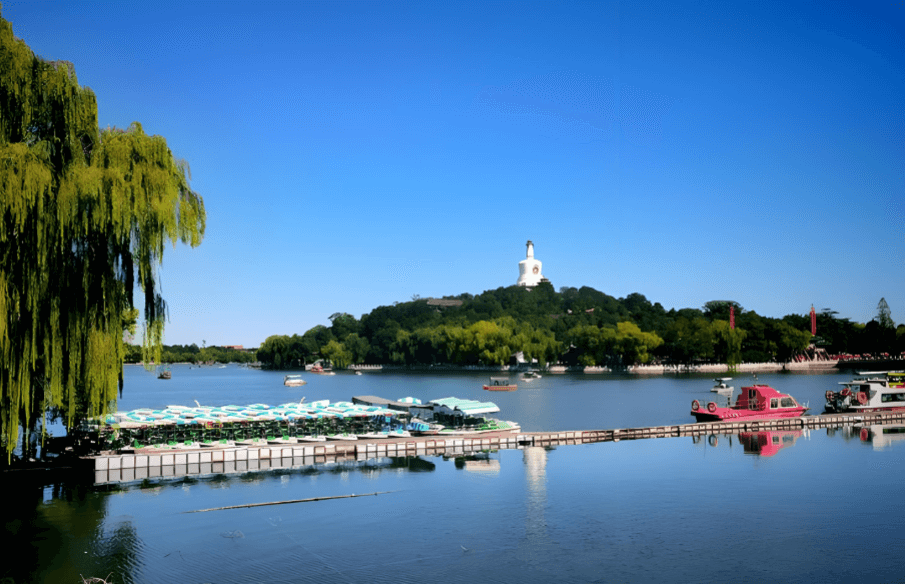
Nestled in the heart of Beijing, Beihai Park is one of China’s oldest and best-preserved imperial gardens, boasting a history of over 900 years that dates back to the Liao Dynasty (10th century). Once an exclusive retreat for emperors and royal families during the Yuan, Ming, and Qing dynasties, this magnificent garden blends natural scenery—serene lakes, lush hills, and winding paths—with grand imperial architecture and profound cultural heritage. At its core stands Qionghua Island (Jade Flower Island), topped by the striking White Pagoda, the park’s most recognizable symbol that has overlooked the city’s skyline for centuries. This detailed travel guide will help you make the most of your visit, covering everything from tickets and transportation to must-see attractions, insider tips, and itineraries tailored for different travel styles.
1. Essential Information (Before You Go)
Planning ahead is key to a smooth and enjoyable visit to Beihai Park. Below is all the basic information you need to know, including opening hours, ticket prices, and how to get there.
Opening Hours
Beihai Park’s opening hours vary by season, so be sure to check the schedule before your trip to avoid disappointment:
- Peak Season (April 1 – October 31): 6:00 AM – 9:00 PM (last entry at 8:30 PM)
- Off-Season (November 1 – March 31): 6:30 AM – 8:00 PM (last entry at 7:30 PM)
- Note: Internal gardens (except Tuan Cheng) are closed every Monday, excluding public holidays. Their opening hours are 8:00 AM – 6:00 PM (peak season) and 8:30 AM – 5:00 PM (off-season), with last entry 30 minutes before closing.
Ticket Prices
Tickets are divided into basic tickets (for the park itself) and combo tickets (including access to internal attractions like Tuan Cheng and Yong’an Temple). Prices are lower in the off-season, and there are discounts for specific groups:
- Peak Season: Basic Ticket – 10 RMB/person; Combo Ticket – 20 RMB/person
- Off-Season: Basic Ticket – 5 RMB/person; Combo Ticket – 15 RMB/person
- Discounts: Free entry for children under 1.2 meters, disabled visitors, and Taiwan compatriots with a newly issued Mainland Travel Permit for Taiwan Residents (within one year, excluding internal attractions). Students and seniors can enjoy half-price tickets with valid ID.
- Reservation: Tickets must be booked in advance via the official WeChat account (real-name registration required). No on-site ticket sales are available.
Transportation
Beihai Park is conveniently located in central Beijing, with easy access by subway, bus, or taxi. Here are the most convenient ways to get there:
- Subway: Take Line 6 to Beihaibei Station (Exit B), then walk 5 minutes east to reach the North Gate—the most convenient entrance for accessing the Nine-Dragon Wall and Jingxin Studio.
- Bus:
- South Gate/Southwest Gate: Take Bus No. 5, 101, 103, 109, 124, 128, Zhuan 1, or Zhuan 2 to Beihai Station.
- North Gate: Take Bus No. 13, 42, 107, 111, 118, 612, or 701 to Beihai Park North Gate Station.
- East Gate: Take Bus No. 5 to Xibanqiao Station.
- Taxi/Didi: Directly navigate to “Beihai Park South Gate” (most scenic entrance) or “Beihai Park North Gate” for convenience. Parking is limited near the park, so driving is not recommended.
2. Must-See Attractions (Focus on Qionghua Island & White Pagoda)
Beihai Park covers an area of 69.1 hectares, with more than half of it being water (Taiye Lake). While there are numerous scenic spots to explore, the highlight is undoubtedly Qionghua Island and the White Pagoda. Below are the top attractions you shouldn’t miss, along with detailed introductions and photo tips.
Qionghua Island (Jade Flower Island)
Located at the center of Beihai Lake, Qionghua Island is the soul of the park. Covered with lush greenery, ancient trees, and traditional pavilions, the island is connected to the south bank by Yong’an Bridge—a stone bridge adorned with intricate carvings, flanked by two grand archways (“Duiyun” and “Jicui”) that make for perfect photo backdrops with the lake reflection. The island’s terrain is undulating, with paths winding up the hill to the White Pagoda, offering panoramic views of the park and surrounding Beijing landmarks along the way.
White Pagoda (Baita)
Standing tall at the top of Qionghua Island, the White Pagoda is the iconic symbol of Beihai Park and a landmark of Beijing. Built in 1651 during the Qing Dynasty, this Tibetan-style pagoda is 35.9 meters high, with a smooth white exterior made of white marble and a golden spire at the top, symbolizing the unity of Han and Tibetan cultures.