Ancient Observatory Beijing: Complete Travel Guide for Foreign Visitors
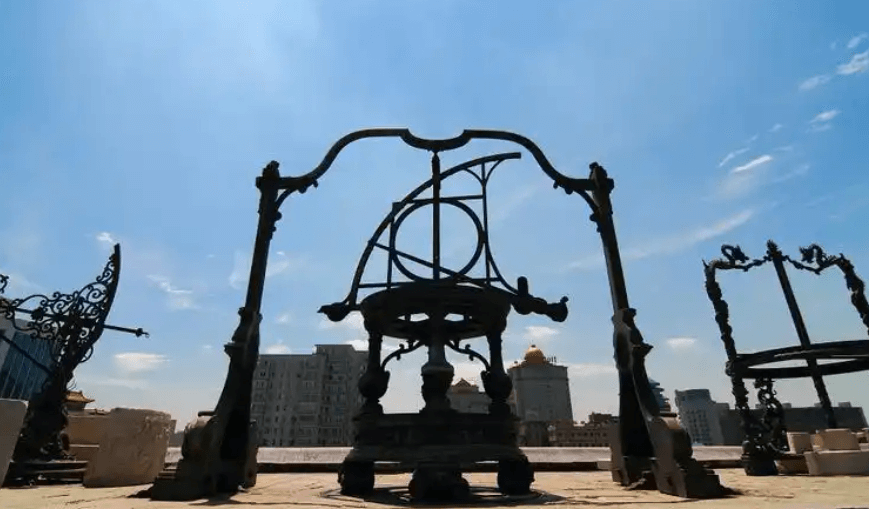
Why This Hidden Gem Should Be on Your Beijing Itinerary
Tucked away in the bustling Jianguomen area, the Beijing Ancient Observatory (古观象台) is one of the city’s most overlooked yet fascinating attractions. Built in 1442 during the Ming Dynasty, this astronomical observatory predates many famous Western observatories and offers a unique glimpse into China’s advanced scientific achievements centuries before Europe’s Renaissance.
📍 Essential Information
Address: 2 Dongbiaobei Hutong, Jianguomen, Dongcheng District, Beijing
Nearest Subway: Jianguomen Station (Lines 1 & 2) – Exit A or B, 3-minute walk
Opening Hours: 9:00 AM – 5:00 PM (last entry 4:30 PM)
Closed: Mondays (except national holidays)
Ticket Price: ¥20 (about $3 USD) – one of Beijing’s best value attractions
Recommended Visit Time: 1-1.5 hours
Best Time to Visit: Weekday mornings (fewer visitors)
🚇 How to Get There: Transportation Options
By Subway (Recommended)
- Take Line 1 or 2 to Jianguomen Station
- Exit A or B – follow signs for the Ancient Observatory
- Walking direction: Head east along Jianguomen Outer Street, look for the ancient brick platform rising above modern buildings
- Walking time: 3 minutes from subway exit
By Taxi or Ride-hailing
- Show driver this Chinese: “请带我去古观象台” (Qǐng dài wǒ qù Gǔ Guānxiàngtái)
- Or show the address: 建国门东裱褙胡同2号
- Landmark: Next to Jianguomen Bridge, visible from the road
Pro Tip for Navigation
The observatory sits beside the busy Jianguomen overpass. Look up from the subway station – you’ll see the ancient stone platform contrasting dramatically with modern skyscrapers, a perfect metaphor for Beijing itself.
🎫 Ticket Purchase & Entry Tips
On-Site Purchase
- Ticket office is at the base of the platform
- Cash accepted, but mobile payment (WeChat/Alipay) is preferred
- No reservation needed for individuals (only required for large groups)
Online Options
- WeChat: Search “北京古观象台” official account
- English booking sites: Klook or Trip.com sometimes list it
- Note: Foreign credit cards may not work on Chinese ticketing platforms
Visitor Requirements
- Passport: Bring your passport for potential verification
- Security check: Small bags only, no large luggage
- Photography: Allowed everywhere (no flash inside exhibition halls)
🔭 What You’ll See: The Astronomical Instruments
The observatory’s star attractions are eight magnificent bronze astronomical instruments mounted on the platform:
1. The Celestial Globe (天体仪)
- Purpose: Showed positions of stars and constellations
- Unique feature: Made in 1673, still rotates smoothly
- Foreign connection: Designed with Jesuit missionary Ferdinand Verbiest
2. Altazimuth (地平经纬仪)
- Purpose: Measured altitude and azimuth of celestial bodies
- History: Used to predict solar and lunar eclipses
- Visual appeal: Most ornate instrument with dragon decorations
3. Equatorial Armilla (赤道经纬仪)
- Purpose: Measured right ascension and declination of stars
- Scientific significance: Demonstrated understanding of equatorial coordinates
- Best photo spot: Against the backdrop of modern CBD buildings
4. Azimuth Theodolite (地平经仪)
- Purpose: Measured horizontal angles between celestial objects
- Operating period: Used continuously for nearly 300 years until 1929
5. Quadrant (象限仪)
- Purpose: Measured angular heights above the horizon
- Design: Elegant simplicity compared to other instruments
6. Sextant (纪限仪)
- Purpose: Measured angular distance between stars
- Historical note: Used to create star catalogs
7. Ecliptic Armilla (黄道经纬仪)
- Purpose: Measured ecliptic longitude and latitude
- Cultural significance: Reflects traditional Chinese astronomical system
8. New Armilla (玑衡抚辰仪)
- Purpose: Last traditional instrument made in China (1754)
- Transition piece: Marks end of traditional Chinese astronomy
🏛️ Inside the Exhibition Halls
Ground Floor: History of Chinese Astronomy
- Timeline wall: From oracle bones to space exploration
- Replica instruments: Touch-screen interactive displays
- English explanations: Surprisingly comprehensive
- Must-see: Ancient star maps showing constellations different from Western systems
Upper Level: Observatory in Context
- Scale models: How the observatory looked in Ming/Qing dynasties
- Historical photos: Observatory surrounded by city walls (demolished in 1960s)
- Jesuit contributions: Exhibit on European missionaries who worked here
Special Exhibition Area
- Changes quarterly – recent themes included:
- Traditional Chinese Calendar Systems
- Astronomy in Chinese Art and Literature
- Comparative Astronomy: East vs West
📸 Best Photo Opportunities
- Classic shot: Ancient instrument with CCTV Headquarters (“Big Pants”) in background
- Golden hour: Late afternoon sun illuminating bronze instruments
- Contrast composition: Stone platform against glass skyscrapers
- Detail shots: Dragon carvings on instrument bases
- Panorama: From platform looking over Beijing’s financial district
Photography Tip: Use a polarizing filter to reduce glare on bronze surfaces, especially on sunny days.
🎧 Guided Tours & Audio Guides
Free English Tours
- Schedule: 10:30 AM and 2:30 PM daily (confirm at entrance)
- Duration: 45 minutes
- Quality: Guides are knowledgeable astronomy students
- Tip: Even if you join mid-tour, guides usually welcome additional listeners
Audio Guide Rental
- Availability: At ticket office
- Cost: ¥30 ($4 USD) with ¥100 deposit
- Languages: English, Chinese, Japanese, Korean
- Content: 45-minute narrated tour with 20 stops
Self-Guided Option
- Download in advance: Observatory provides free PDF guide on their website
- QR codes: Throughout site link to English explanations
- Recommendation: Use audio guide for instruments, read plaques for exhibitions
♿ Accessibility Information
Mobility Considerations
- Platform access: Steep stairs only (no elevator)
- Exhibition halls: Fully accessible on ground floor
- Upper level: Accessible via ramp at back of building
- Bathrooms: Accessible facilities available
- Seating: Limited benches on platform
For Visitors with Disabilities
- Staff assistance: Available if requested
- Alternative experience: Ground floor exhibitions provide comprehensive understanding even if platform is inaccessible
- Virtual tour: Consider 360-degree online tour if mobility is severely limited
⏰ Recommended Visit Itineraries
Express Visit (45 minutes)
- Buy ticket and rent audio guide (5 min)
- Climb platform, photograph all 8 instruments (15 min)
- Quick walk through ground floor exhibition (10 min)
- Gift shop and exit (5 min)
Standard Visit (1.5 hours)
- Arrive for English tour at 10:30 or 2:30
- Complete guided platform tour (45 min)
- Explore both exhibition floors independently (30 min)
- Photography session (15 min)
Astronomy Enthusiast Visit (2+ hours)
- Morning arrival to avoid crowds
- Platform study with audio guide (60 min)
- Detailed examination of exhibitions (45 min)
- Attend special exhibition/temporary display (30 min)
- Bookstore browsing (15 min)
📅 Best Times to Visit
By Time of Day
- Morning (9-11 AM): Best light for photography, fewer visitors
- Afternoon (2-4 PM): Guided tours available, but can be crowded
- Avoid: 12-2 PM (hottest part of day on exposed platform)
By Season
- Spring (April-May): Pleasant temperatures, clear skies
- Autumn (September-October): Ideal conditions, comfortable
- Summer: Visit early morning to avoid heat and humidity
- Winter: Fewer visitors, but platform can be very cold and windy
Special Astronomical Events
- Check observatory’s website for:
- Solar/lunar eclipse viewing parties
- Meteor shower nights (limited availability)
- Planet alignment observation events
🛍️ Gift Shop & Souvenirs
Unique Astronomy-Themed Items
- Replica instruments: Miniature brass models (¥150-300)
- Star charts: Traditional Chinese constellations
- Books: English titles on Chinese astronomy history
- Postcards: Beautiful shots of instruments
Practical Information
- Payment: Credit cards accepted (unusual for smaller Beijing attractions)
- Price range: Moderate (higher quality than typical tourist shops)
- Bargaining: Not customary – fixed prices
🍽️ Nearby Dining Options
Within 5-Minute Walk
- Qin Tang Fu Shaanxi Restaurant: Noodles and dumplings (budget)
- Element Fresh: Western salads/sandwiches (mid-range)
- Starbucks: Familiar coffee option
10-Minute Walk to Ritan Park Area
- Temple Restaurant Beijing: Fine dining in restored temple (splurge)
- The Rug: Brunch and healthy options (popular with expats)
- Migas Mercado: Rooftop with observatory views
Pro Tip for Lunch
Eat at Ritan Park restaurants, then walk back through the park (15 minutes) for a pleasant post-meal stroll.
🔗 Combination Itineraries
Half-Day Cultural Tour
- 9:00 AM: Ancient Observatory (1.5 hours)
- 10:45 AM: Walk to Ritan Park (15 min)
- 11:00 AM: Explore Ritan Park and altar (1 hour)
- 12:15 PM: Lunch in Ritan area
Full-Day History & Science Day
- Morning: National Museum of China (3 hours)
- Lunch: Wangfujing area
- Afternoon: Ancient Observatory (1.5 hours)
- Late afternoon: Shopping at Oriental Plaza or APM
Modern vs Ancient Contrast Tour
- Morning: CCTV Headquarters viewing from outside
- Late morning: Ancient Observatory
- Lunch: Jianguomen area
- Afternoon: 798 Art District (subway + taxi)
👨👩👧 Family Visit Tips
For Children
- Engaging elements: Interactive screens in exhibition
- Activity sheets: Sometimes available at ticket office (ask)
- Scale appeal: Kids fascinated by giant instruments
- Best age: 8+ for genuine interest, but younger enjoy climbing platform
Practical Family Advice
- Strollers: Can be left at ticket office (platform stairs impractical)
- Baby changing: Available in accessible bathroom
- Snacks: Bring water/snacks (no food sold on site)
- Timing: Keep visit under 1 hour with young children
🎓 Educational Value
For Students & Lifelong Learners
- Comparative history: See how Chinese astronomy developed differently from West
- Science history: Understanding pre-telescope observation methods
- Cultural exchange: Jesuit missionaries’ role in scientific transfer
- Practical astronomy: How ancient observations were used for calendar and navigation
Academic Resources
- Library: Small reference library accessible by appointment
- Lectures: Occasional English lectures (check schedule)
- Research: Staff can sometimes arrange meetings for serious researchers
🚫 Common Mistakes to Avoid
- Timing wrong: Arriving Monday (closed) or during midday heat
- Rushing: Trying to see everything in 30 minutes
- Missing exhibitions: Only visiting platform, missing excellent indoor displays
- Wrong shoes: Wearing heels on uneven stone platform
- No water: Platform has no shade on sunny days
- Expecting flashy: This is historical preservation, not entertainment
🌟 Why This Is a Beijing Must-See
The Ancient Observatory offers what few Beijing attractions can:
- Authenticity: Original instruments in original location
- Accessibility: Easy to reach, never overcrowded
- Educational: Deep dive into China’s scientific achievements
- Photogenic: Unique contrasts between ancient and modern
- Affordable: Excellent value at ¥20 entrance
- Quick visit: Perfect for filling 1-2 hour gap in itinerary
📞 Contact & Updates
Official Website: www.bjp.org.cn/astronomy/ (Chinese, use translation)
Phone: +86 10 6512 8923 (limited English)
WeChat: Search “北京古观象台”
Best for updates: Follow Time Out Beijing for event announcements
💎 Final Recommendation
Include the Ancient Observatory in your Beijing travel guide plans when:
- You want a break from crowded major attractions
- You’re interested in history or science
- You have 1-2 hours between other activities
- You want unique photos of ancient/modern contrast
- You’re staying in Jianguomen/Wangfujing area
Visitor quote: “In a city of massive attractions, this small observatory gave me my most memorable Beijing moment – touching bronze instruments that tracked stars centuries ago, while watching modern Beijing rush by below.”
Pro Tip for Your Beijing Travel Guide: Visit the Ancient Observatory after the Forbidden City. You’ll appreciate how astronomical observation was central to imperial power – the emperor’s mandate was literally written in the stars.
Enjoy your journey through China’s astronomical history! 🌟