In-Depth Travel Guide to the Confucius Temple and Imperial College in Beijing
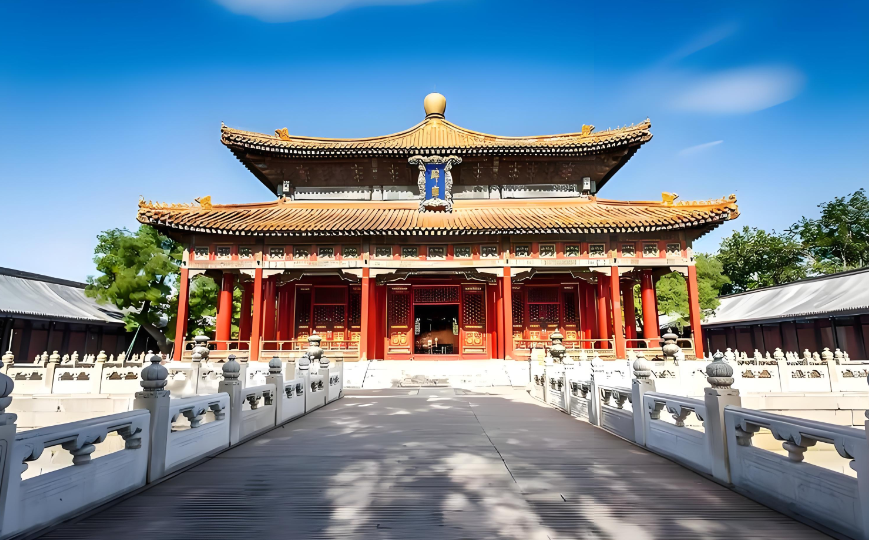
1. Why This Is a Must-Visit Destination in Beijing
As a cultural highlight recommended by the Beijhttps://cntravels.net/ing Travel Guide, the Confucius Temple and Imperial College form the complete architectural complex of “temple on the left, school on the right” from ancient China. This was the central site for royal ceremonies honoring Confucius and training national elites during the Yuan, Ming, and Qing dynasties. It preserves Beijing’s most intact royal sacrificial architecture. Unlike the imperial grandeur of the Forbidden City, this place exudes a unique scholarly elegance, making it the best window into traditional Chinese education and Confucian culture.
2. Complete Itinerary (Approximately 3–4 Hours)
Morning Session (Recommended: 9:00 AM–12:00 PM)
Entrance Suggestion: Enter from the “Chengxian Street” archway on Guozijian Street. This well-preserved street, themed around the imperial examination system, is a scenic attraction in itself.
First Stop: Confucius Temple Area (1.5 Hours)
- Xianshi Gate: Note the “Confucius Temple” plaque above the gate, marking the entrance to the sacrificial area.
- Jinshi Stele Forest: 198 stone steles record the names of 51,624 Jinshi (imperial scholars) from the Yuan, Ming, and Qing dynasties, including historical figures like Yu Qian and Xu Guangqi. Beijing Travel Guide Tip: Look for ancestors sharing your surname—a unique cultural experience.
- Dacheng Hall: The core building, with a 600-year-old “Touch the Treacherous Cypress” tree in front, associated with the legend of Yan Song’s hat falling.
- Thirteen Classics Stele Forest: 189 stone steles inscribed with Confucian classics, known as the “stone library.”
Second Stop: Imperial College Area (1.5 Hours)
- Glazed Tile Archway: Beijing’s only glazed archway dedicated to education. The best photo angle is directly in front.
- Biyong Hall: Where Emperor Qianlong delivered lectures. The square hall surrounded by water reflects the ancient concept of “round heaven, square earth.”
- Six Halls Exhibition: Interactive displays about the daily lives of ancient students.
- Yilun Hall: Originally the Imperial College’s library, now hosting thematic exhibitions.
3. In-Depth Experience Highlights
Cultural Activities
- Rubbing Making (Weekends): Create your own “Golden List” rubbing.
- Guqin Appreciation: Free guqin performances on the first Saturday morning of each month.
- Imperial Examination Experience: Dress in ancient scholar attire and take photos in a recreated examination hall.
Best Photo Spots
- Framed composition of the Glazed Tile Archway and ancient cypress trees.
- Reflection of Biyong Hall in water (best light in the afternoon).
- Depth perspective of the stele forest.
- Scenic view of Chengxian Street’s red walls and green tiles.
4. Practical Information
Opening Hours:
Peak Season (May–Oct): 8:30 AM–6:00 PM (last entry at 5:00 PM)
Off-Season (Nov–Apr): 8:30 AM–5:00 PM (last entry at 4:30 PM)
Closed on Mondays (except holidays).
Ticket Prices:
Adult: ¥30 (combo ticket), Student: Half-price
Beijing Travel Guide Tip: Book in advance via the official WeChat account of the Confucius Temple and Imperial College Museum.
Transportation:
Subway: Exit F of Yonghegong Station (Lines 2/5), 3-minute walk.
Bus: Take routes 13 or 684 to Guozijian Station.
Special Note: Located just across the street from the Lama Temple, ideal for a combined visit.
5. Suggested Itinerary Combinations
Half-Day Tour:
Confucius Temple & Imperial College (3 hours) + Lama Temple (1.5 hours) + Wudaoying Hutong (1 hour).
Full-Day Cultural Route:
Morning: Confucius Temple & Imperial College → Lunch: Vegetarian food near Lama Temple → Afternoon: Ditan Park → Evening: Dinner in Wudaoying Hutong.
Beijing Travel Guide Special Recommendation: Try traditional royal cheese at “Sanyuan Meiyuan” on Chengxian Street, a classic Beijing dessert.
6. Travel Tips
- Best Seasons: Spring and autumn, when ancient cypress trees are lush green or golden with fallen leaves.
- Avoid Crowds: Visit on weekday mornings at 9:00 AM or after 3:00 PM.
- Guided Tours: Rent an audio guide (available in Chinese and English) at the entrance or join free guided tours at 10:00 AM/2:00 PM.
- Attire: Some stone steps are slippery—wear anti-slip shoes. The cypress area is cool in summer, so bring a light jacket.
- Cultural Respect: While not a religious site, maintain solemnity in the sacrificial areas.
7. Hidden Gems
- Find the ancient “Inkstone Water Lake” well in the Confucius Temple. Legend says drinking its water inspires literary creativity.
- Discover the “Huai Market” site in the Imperial College, where ancient students traded books under scholar trees.
- Observe the “Chiwen” ridge ornaments on the buildings—their numbers reflect hierarchical regulations.
As a cultural landmark highlighted by the Beijing Travel Guide, the Confucius Temple and Imperial College not only showcase architectural beauty but also carry the wisdom of Chinese education spanning millennia. Here, every stele and ancient cypress tells the historical story of “excel in learning to serve the state.” It is an indispensable stop for deeply understanding Beijing’s cultural heritage.
Allow ample time to savor the tranquility and historical weight of this place—a rare cultural oasis amidst the bustling city.