The Ultimate Ming Tombs Travel Guide: Beijing’s Imperial Necropolis
Why Visit the Ming Tombs?
Located at the foot of the Tianshou Mountains about 50 kilometers northwest of Beijing, the Ming Tombs (Shisanling) represent one of the world’s most complete imperial burial complexes. Thirteen emperors of China’s Ming Dynasty (1368-1644) were laid to rest here across a valley covering 40 square kilometers. This UNESCO World Heritage site offers a profound glimpse into imperial Chinese beliefs about the afterlife, architecture, and cosmology that you won’t find in downtown Beijing travel guides.
Which Tombs Can You Visit?
While there are thirteen tombs, only three are currently open to the public:
Changling (长陵) – Tomb of Emperor Yongle
- The largest and best preserved tomb
- Houses Emperor Yongle who moved China’s capital to Beijing
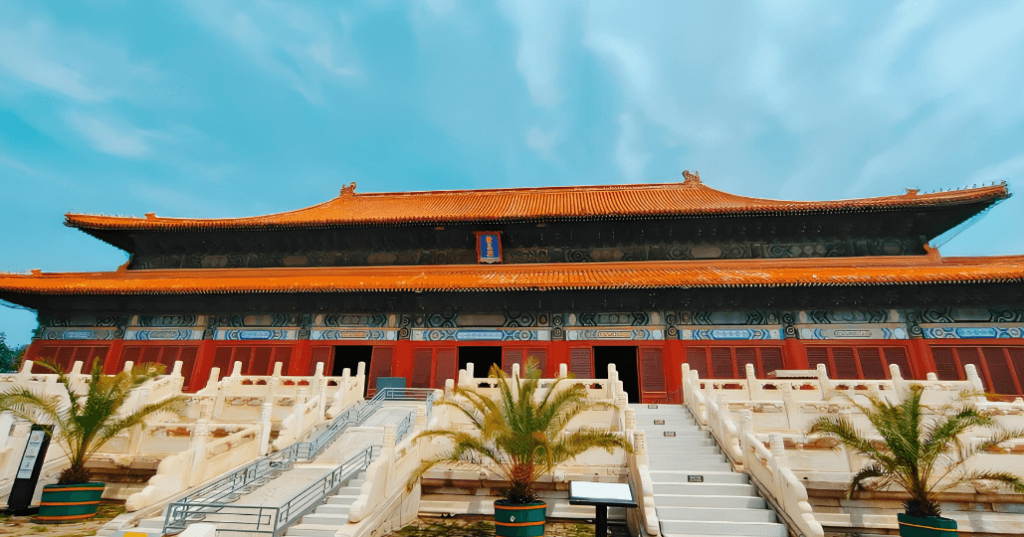
- Key feature: The magnificent Ling’en Hall with 32 giant nanmu wood pillars
Dingling (定陵) – Tomb of Emperor Wanli
- The only tomb that has been fully excavated
- Underground palace lies 27 meters below ground
- See the original burial artifacts including imperial crowns
Zhaoling (昭陵) – Tomb of Emperor Longqing
- Recently restored to show original Ming-era architecture
- Less crowded, offering a more peaceful experience
The Sacred Way: Gateway to the Afterlife
Before visiting the tombs themselves, don’t miss the 7-kilometer Sacred Way (神道), the ceremonial entrance guarded by stone statues of animals, officials, and mythical creatures. According to Ming beliefs, these statues would come to life at night to protect the emperors and serve them in the afterlife. Walking this path gives context to everything that follows and is a highlight of any Beijing travel guide to the area.
Practical Information
Getting There
By Public Transport:
- Take subway Line 2 to Jishuitan Station, then bus 872 directly to the Ming Tombs
- From Deshengmen Bus Station, take bus 872 (most straightforward route)
By Tour/Private Car:
- Most Beijing travel guides recommend combining with a Great Wall visit (usually Badaling)
- Private car hire: Approximately 600-800 RMB for a full day including the Great Wall
- Organized tours: Available from most hotels but check if they include all three open tombs
Ticket Information
- Combined ticket (recommended): 130 RMB (Apr-Oct), 100 RMB (Nov-Mar)
- Includes Changling, Dingling, and Sacred Way
- Individual tomb tickets also available
- Purchase at any site entrance; no need to book in advance
Best Time to Visit
- Spring (April-May): Pleasant temperatures, blooming flowers
- Autumn (September-October): Clear skies, comfortable weather
- Avoid: National holidays (Oct 1-7) when sites are extremely crowded
- Daily timing: Arrive early (before 10 AM) to avoid tour groups
Cultural Insights for Visitors
Understanding Feng Shui
The site selection took two years and followed strict feng shui principles:
- Mountains to the north (protection from evil spirits)
- Water to the south (wealth and energy flow)
- Curved access path (to confuse evil spirits)
What Makes This Different from Other Royal Tombs?
Unlike Egypt’s pyramids or European cathedrals, Ming tombs follow the “palace in the afterlife” concept – each is essentially an underground replica of the Forbidden City where emperors would continue their rule after death.
Itinerary Suggestions
Half-Day Express (3-4 hours)
- Sacred Way (45 minutes)
- Dingling – for the underground palace (1 hour)
- Changling – for the grand above-ground architecture (1 hour)
Full Day Immersion (6-7 hours)
- Sacred Way with detailed statue viewing (1 hour)
- Dingling – explore museum exhibits (1.5 hours)
- Local lunch in Changping town
- Changling – study architecture details (1.5 hours)
- Zhaoling – quieter alternative (1 hour)
Combined Great Wall + Ming Tombs Day
(Most popular option in Beijing travel guides)
- Morning: Badaling or Juyongguan Great Wall
- Lunch: Local restaurant
- Afternoon: Sacred Way + 1-2 tombs
Note: This makes for a long day but maximizes time efficiency
Tips for Foreign Travelers
- Footwear: Wear comfortable shoes – there’s considerable walking on uneven surfaces
- Respect: This is a burial site – maintain respectful behavior (no loud noises)
- Guides: Consider an audio guide (available in multiple languages) or local guide for context
- Photography: Allowed everywhere except inside Dingling’s burial chamber (signs posted)
- Accessibility: Changling has the most wheelchair-accessible paths among the tombs
Nearby Dining Options
- Ming Tombs Specialties: Try persimmons and chestnuts, historically offered to the tombs
- Local Restaurants: Simple Chinese fare near the sites; better options back in Changping town
- Packing lunch: Recommended if you want more time exploring
Common Questions Answered
Is it worth visiting all three open tombs?
If you have deep interest in Ming history, yes. Most visitors find Sacred Way + Dingling + Changling sufficient.
How does this compare to the Eastern Qing Tombs?
The Ming Tombs are more accessible from Beijing and better restored for tourism. The Qing Tombs are larger but farther away.
Can I visit independently or do I need a tour?
Easy to visit independently via public transport. Many Beijing travel guides overemphasize the need for tours.
Sustainability Note
As a UNESCO site, help preserve the tombs by:
- Not touching the stone carvings (oils damage the stone)
- Staying on marked paths
- Carrying out all trash
The Ming Tombs offer a quieter, more contemplative experience compared to Beijing’s bustling imperial sites. By understanding the spiritual significance behind the architecture and layout, you’ll gain unique insights into how China’s emperors viewed power, eternity, and their place in the cosmos – an essential dimension to any comprehensive Beijing travel guide.
Pro Tip: Visit on a weekday and pair with the less-crowded Mutianyu Great Wall section for an unforgettable imperial China day trip from Beijing.