Peking Opera: A Dazzling Portal to China’s Soul
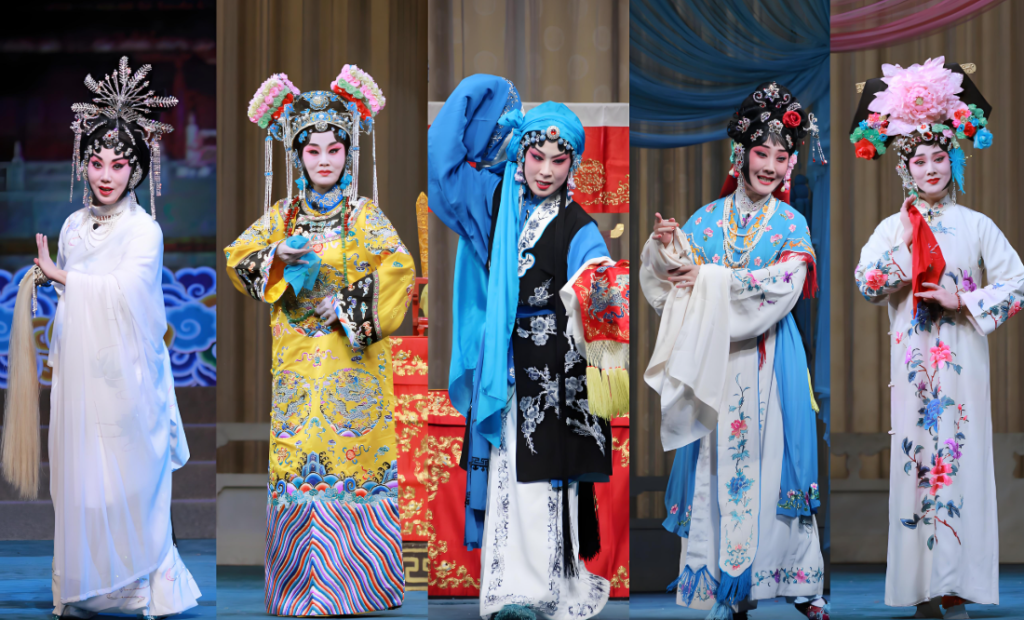
Forget everything you think you know about theater. Peking Opera (京剧, Jīngjù), often called Beijing Opera in the West, is not merely a performance; it’s a breathtaking, multi-sensory explosion of art, history, and philosophy, condensed onto a single stage. More than just China’s national treasure, it’s a UNESCO Intangible Cultural Heritage masterpiece, offering visitors to Beijing an unparalleled, deeply immersive cultural experience. Imagine vibrant silks swirling in meticulously choreographed motion, faces transformed into fantastical masks of color, voices soaring in a unique sonic language, and stories pulsing with ancient heroes, cunning villains, and timeless emotions – this is the captivating world of Jingju.
Why Experience Peking Opera in Beijing?
- Witness the Source: Beijing is its birthplace and spiritual home. Seeing it performed here, often in theaters steeped in history, is the most authentic encounter.
- Unlock Cultural Codes: It’s a living key to understanding Chinese aesthetics, values, history, mythology, and storytelling traditions.
- A Feast for the Senses: It engages sight (costumes, makeup, acrobatics), sound (music, vocals), and even kinesthetic empathy (highly stylized movement) in a way few art forms can.
- Pure Artistic Spectacle: The sheer visual and auditory brilliance is unforgettable, regardless of linguistic understanding.
- A Journey Through Time: Step into a theatrical tradition refined over 200 years, connecting you to the Qing Dynasty court and beyond.
A History Forged in Fire and Fusion: From Anhui to the Imperial Court
Peking Opera didn’t spring fully formed from Beijing soil. Its genesis lies in the late 18th century (Qianlong era, Qing Dynasty), born from a remarkable fusion:
- Anhui Troupes Arrive: Troupes performing Huiju (Anhui Opera) were summoned to Beijing for the Emperor’s 80th birthday celebrations (1790). Their robust singing and acrobatic skills captivated the capital.
- Hubei Influence: Troupes from Hubei province, performing Hanju (Han Opera), known for their sophisticated melodies and storytelling, soon followed.
- Local Flavors: These southern styles blended with existing northern performance traditions popular in Beijing and the lyrical Kunqu (a much older, refined opera form).
- Imperial Patronage: Emperors, particularly the Dowager Empress Cixi, became avid patrons. Court support provided resources, prestige, and a demand for refinement, accelerating its development and codification.
- Crystallization (19th Century): Through intense competition and artistic exchange, the distinct elements we recognize today – the four role types, specific vocal styles, elaborate makeup conventions, acrobatic combat (wuchang), and symbolic staging – solidified, creating a uniquely Beijing art form. By the late 19th century, it dominated Chinese theater.
The Four Pillars: Understanding Role Types (行当, Hángdang)
Peking Opera categorizes all characters into four fundamental roles, instantly recognizable by their costumes, makeup, movement, and vocal style. This system is the skeleton upon which every performance is built:
- Sheng (生): The Male Roles.
- Laosheng (老生): Older, dignified men (scholars, emperors, officials). Wear beards, sing in their natural voice (often deep and resonant), movements are measured and stately. The moral center, embodying wisdom and authority. Think: Confucian gentlemen, generals.
- Xiaosheng (小生): Young men (scholars, lovers, warriors). High-pitched, sometimes slightly nasal falsetto singing. Movements are elegant, even flirtatious. Often handsome and romantic. Think: romantic heroes, young scholars.
- Wusheng (武生): Martial male characters (generals, soldiers, martial artists). Highly acrobatic, specializing in breathtaking combat sequences (wuchang), somersaults, and weapon play. Can be sung or unsung roles. Think: mighty warriors, heroic bandits.
- Dan (旦): The Female Roles. Traditionally performed by men (Nandan), though women now also perform.
- Qingyi (青衣): Virtuous, noble women (empresses, faithful wives, gentlewomen). Demure, restrained movements. Sing in a high, pure, controlled falsetto. Costumes are elegant, often blue or green gowns. Think: tragic heroines, paragons of virtue.
- Huadan (花旦): Lively, vivacious, often young women (maidservants, coquettes, clever commoners). Bright costumes, playful gestures, flirting eyes, and a more agile, sometimes slightly coquettish singing style. Think: the clever maid, the mischievous young girl.
- Wudan (武旦): Martial female characters (female generals, warriors, goddesses). Combine feminine grace with impressive martial acrobatics and weapon skills. Think: Mulan, mythical female warriors.
- Laodan (老旦): Older women (matriarchs, mothers). Sing in their natural, often slightly raspy voice. Movements are slower, more deliberate, conveying age and dignity. Think: wise mothers, stern dowagers.
- Jing (净): The Painted Face Roles. Male characters with strong personalities – heroes, villains, gods, demons. Defined by their spectacular, colorful, and highly symbolic facial makeup (lianpu).
- Tongchui (铜锤): Singing roles, often loyal generals or ministers with powerful voices. Makeup tends towards a single dominant color (e.g., red for loyalty, black for fierceness/rough integrity).
- Jiazi (架子): Emphasize movement, posture, and acrobatics over singing. Often fierce warriors, bandits, or supernatural beings. Makeup is more complex and visually striking. Think: the imposing general, the powerful spirit.
- Chou (丑): The Comedy Roles. Male clowns, jesters, servants, or sometimes cunning minor officials. Instantly recognizable by a small patch of white makeup around their eyes and nose.
- Wenchou (文丑): Civilian clowns (servants, merchants, scholars). Focus on witty dialogue, comic timing, and expressive body language.
- Wuchou (武丑): Acrobatic clowns (minor soldiers, thieves). Combine comedy with impressive martial skills and agility. Provide comic relief and commentary.
The Visual Symphony: More Than Meets the Eye
Peking Opera is a feast of visual symbolism and artistry:
- Lianpu (脸谱): The Mesmerizing Face Paint: Far more than masks, these intricate designs painted directly onto the actor’s face are crucial for character identification and conveying personality traits, fate, and moral alignment. Colors are symbolic:
- Red: Loyalty, courage, righteousness (e.g., Guan Yu).
- Black: Fierceness, roughness, integrity (e.g., Bao Zheng).
- Blue/Green: Wildness, stubbornness, ferocity (e.g., supernatural beings).
- White: Treachery, cunning, suspicion, evil (e.g., Cao Cao).
- Yellow: Ambition, fierceness, sometimes divinity.
- Gold/Silver: Gods, demons, spirits, supernatural powers.
- Patterns (like bats for luck, tiger stripes for ferocity) add further layers of meaning. Applying the makeup is an art form in itself.
- Costumes (行头, Xíngtóu): Silks, Embroidery, and Symbolism: Exquisitely crafted from luxurious silks, satins, and embroidery, costumes (xingtou) are visually stunning and rich with meaning. Colors, designs (dragons, phoenixes, waves), and accessories denote rank, status, occupation, and even personality. A general’s elaborate armor (kao), a scholar’s flowing robe, or a concubine’s ornate headdress (dianzi) instantly communicate the character’s essence. Every item, from pheasant feathers denoting martial prowess to the length of a sleeve (shuixiu, water sleeves) used for expressive gestures, is deliberate.
- Staging: The Art of Implication: Forget elaborate sets. Peking Opera relies on minimal props and highly symbolic staging. A table and chairs can represent a mountain, a palace, or a judge’s bench. A whip signifies riding a horse. An oar represents a boat. This forces the audience to engage their imagination, focusing intensely on the performers’ movements and expressions. Lighting was traditionally simple (bright stage), though modern theaters may use subtle enhancements.
The Auditory Landscape: Music and Voice as Storytellers
Sound is equally vital, creating an immersive and emotionally charged atmosphere:
- The Orchestra (乐队, Yuèduì): A small but potent ensemble sits on stage (usually stage right).
- Wenchang (文场): The melodic section: Jinghu (high-pitched, piercing 2-string fiddle, leads the orchestra, follows the singer closely), Erhu (lower-pitched fiddle), Yueqin (moon lute), Pipa (pear-shaped lute), Sanxian (3-string lute). Creates melody and atmosphere.
- Wuchang (武场): The percussion section: Bangu (small drum and clapper, led by the conductor/drummer), Daluo (large gong), Xiaoluo (small gong), Bo (cymbals), Tanggu (bass drum). Provides rhythmic structure, punctuates action, signals entrances/exits, and creates sound effects (wind, thunder, battles). The Bangu player is the de facto conductor.
- Vocal Styles (唱腔, Chàngqiāng): The singing is unique and stylized, often challenging for first-time listeners but incredibly expressive.
- Erhuang (二黄): Generally slower, deeper, more lyrical, and melancholic. Often used for reflective moments or solemn scenes.
- Xipi (西皮): Generally faster, brighter, higher-pitched, and more energetic. Used for excitement, joy, anger, or battle scenes.
- Actors master specific vocal techniques, including falsetto (Xiaosheng, Dan), powerful projection (Laosheng, Jing), and stylized articulation (Yunbai – rhythmic speech).
The Art of Movement: Speaking Without Words
Every gesture, step, and pose is codified and meaningful:
- Stylized Gestures (做, Zuò): Opening a door, mounting a horse, rowing a boat, expressing emotions like joy, grief, or anger – all are conveyed through precise, elegant, and symbolic movements. Hand positions (shoushi) alone have hundreds of meanings.
- Acrobatics and Martial Arts (打, Dǎ – Wuchang): Combat scenes (kaidachang) are breathtaking displays of tumbling, weapon play (spears, swords, staffs), and choreographed fighting. They demand immense physical skill, precision, and timing, serving both narrative excitement and character definition.
- Footwork (步法, Bùfǎ) and Body Posture (身段, Shēnduàn): The way an actor walks, stands, or turns conveys character, status, and emotion. A Laosheng walks with measured dignity, a Huadan with light, skipping steps, a Jing with imposing breadth.
Iconic Stories: Windows to Chinese Culture
Plots draw from China’s vast treasury of history, legend, folklore, and classic literature:
- Historical Epics: Tales of loyalty, betrayal, and dynastic struggles (e.g., The Ruse of the Empty City, Farewell My Concubine).
- Romantic Dramas: Stories of love, separation, and reunion, often tragic (e.g., The White Snake, The Butterfly Lovers – adapted from other operas but popular).
- Myths and Legends: Adventures of gods, immortals, and supernatural beings (e.g., Havoc in Heaven – the Monkey King).
- Tales of Justice and Morality: Stories featuring righteous judges, clever strategists, or heroes fighting corruption (e.g., Judge Bao, The Four Scholars).
- Comedies: Light-hearted plays often featuring the Chou role, providing social commentary and laughter.
Experiencing Peking Opera in Beijing: A Practical Guide
- Choosing a Venue & Performance:
- Huguang Guild Hall (湖广会馆): Top Recommendation for Atmosphere. A beautifully restored 200-year-old guild hall. Intimate setting, historical resonance, often traditional performances. Offers shorter “highlights” programs perfect for beginners. A truly magical experience.
- Li Yuan Theatre (梨园剧场): Located in the Qianmen Jianguo Hotel. Designed for tourists, offering nightly performances of classic excerpts with English subtitles projected on screens. Comfortable, accessible, consistent quality. Great introduction.
- Mei Lanfang Grand Theatre (梅兰芳大剧院): Modern, state-of-the-art theater dedicated to Peking Opera. Larger scale productions, full-length operas, highest production values. Offers a mix of traditional and sometimes innovative works. Check schedules.
- Chang’an Grand Theatre (长安大戏院): Another major modern theater with a long history, hosting high-quality performances. Often features famous troupes and actors.
- Lao She Teahouse (老舍茶馆): Combines tea ceremony, snacks, and variety performances including Peking Opera excerpts. More casual, tourist-oriented atmosphere. Good for a taste alongside other folk arts.
- National Centre for the Performing Arts (NCPA – 国家大剧院): The stunning “Egg.” Occasionally hosts major Peking Opera productions with superb acoustics and staging. Check their schedule.
- Choosing a Performance Type:
- Excerpts / Highlights Shows: (Highly Recommended for Beginners) Usually 60-90 minutes, featuring famous scenes showcasing singing, acrobatics, acting, and costumes. Often have English subtitles (Huguang, Li Yuan, Lao She). Perfect manageable introduction.
- Full-Length Operas: Can be 3+ hours. Deeply rewarding for enthusiasts but potentially overwhelming for newcomers without context/subtitles. Best attempted after an excerpts show or with preparation.
- Preparing for the Show:
- Book Tickets in Advance: Especially for popular venues like Huguang or specific star performances. Use official websites, reliable travel agencies, or hotel concierge.
- Consider Subtitles: Venues like Li Yuan, Huguang, and sometimes Mei Lanfang/NCPA offer English subtitles. Huguang uses handheld devices – request one! This significantly enhances understanding.
- Read a Synopsis: Even with excerpts, knowing the basic plot of the scenes you’ll see is invaluable. Most venues provide these online or in programs.
- Arrive Early: Soak in the atmosphere, look at costumes/makeup displays if available, find your seat calmly.
- Embrace the Sound: The orchestra tuning up and the unique vocal styles can be startling initially. Relax and let the sounds wash over you; focus on the visuals and emotion.
- During the Performance:
- Observe Everything: The costumes, makeup, movement, acrobatics, and music are all integral. Your eyes will be busy!
- Don’t Worry About Understanding Every Word: Focus on the emotions conveyed through voice, movement, and facial expression (even under makeup!). The story often follows universal archetypes.
- Applaud: Appreciate acrobatic feats, beautiful singing passages, and dramatic moments. Enthusiastic applause is welcome.
- Photos/Video: Check the venue’s policy. Usually, no flash photography is allowed, and sometimes no recording at all. Be discreet and respectful.
- What to Look For (Especially without Subtitles):
- The Role Types: Can you identify the Sheng, Dan, Jing, Chou? Notice their distinct costumes, makeup, movement, and voices.
- The Acrobatics (Wuchang): Marvel at the flips, spins, and weapon skills during fight scenes.
- Expressive Movement: How does the actor convey riding a horse, opening a door, or feeling sorrow just through movement?
- The Makeup (Lianpu): Observe the colors and patterns – what might they tell you about the character?
- The Interaction: How do characters relate to each other through stance and gesture?
- The Orchestra: Notice the interplay between the melodic wenchang and the driving rhythm of the wuchang percussion.
Beyond the Performance: Deepening Your Appreciation
- Museums: Visit the Peking Opera Museum (near Huguang Guild Hall) or the Mei Lanfang Memorial Museum to see costumes, props, historical exhibits, and learn about legendary performers.
- Makeup Workshops: Some venues or cultural centers offer short workshops where you can try applying basic Lianpu or learn about costumes. Huguang Guild Hall sometimes offers this.
- Teahouse Talks: Some teahouses (like Lao She) might have pre-show talks introducing the art form.
A Living Legacy: More Than Entertainment
Peking Opera is a profound cultural artifact. It embodies Chinese cosmology, philosophy (Confucian ideals of loyalty and filial piety, Taoist themes of nature, Buddhist concepts of karma), aesthetics (symbolism, harmony, stylization), and historical consciousness. It’s a demanding art form requiring decades of rigorous training (often starting in childhood) in singing, acting, martial arts, and acrobatics – a “total theater” demanding perfection in the “Four Skills” (singing, recitation, acting, combat) and “Five Methods” (hand, eye, body, gait, bearing).
Conclusion: Open Your Senses, Embrace the Unfamiliar
Seeing Peking Opera in Beijing is not passive entertainment; it’s an active cultural immersion. Approach it with curiosity, patience, and open senses. Don’t expect Western narrative realism; embrace its symbolic, stylized, and emotionally potent language. Let the dazzling colors, the hypnotic sounds, and the incredible physicality transport you. It might challenge your expectations, but it will undoubtedly leave you awestruck by the depth and brilliance of Chinese artistic tradition. It’s an experience that resonates long after the final gong fades – a true highlight of any Beijing journey, offering a mesmerizing glimpse into the soul of China. Prepare to be amazed.